
AI in Spine Health: A Clinician’s Guide
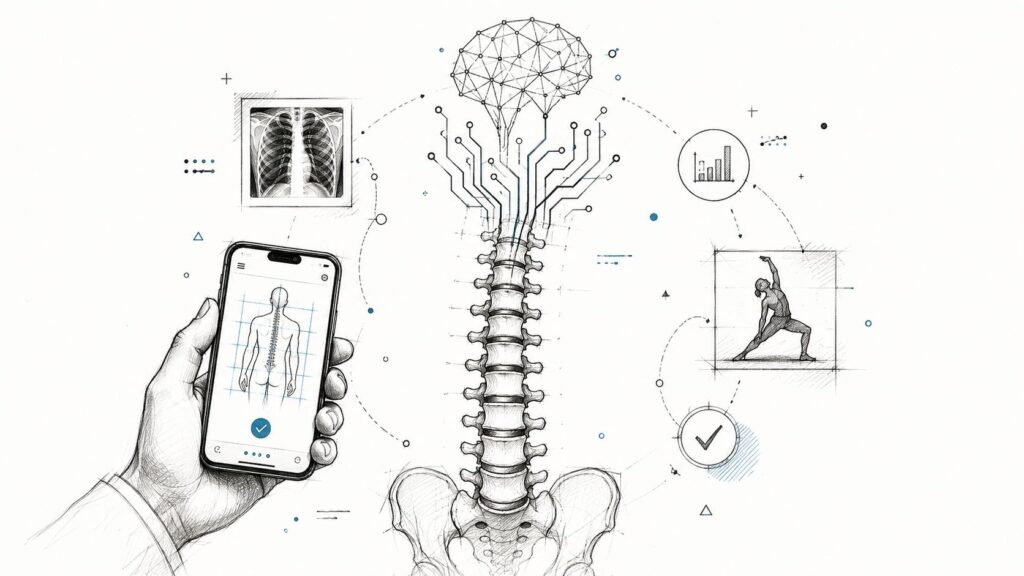
If you work in spine care today, you've likely felt the same tension from both sides of the room. A surgeon wants cleaner measurements before planning intervention. A physiotherapist wants better visibility between visits. Parents of a child with scoliosis want reassurance without another round of imaging unless it's strictly necessary. That friction sits at […]
Delayed Scoliosis Diagnosis: Identify Risks & Next Steps
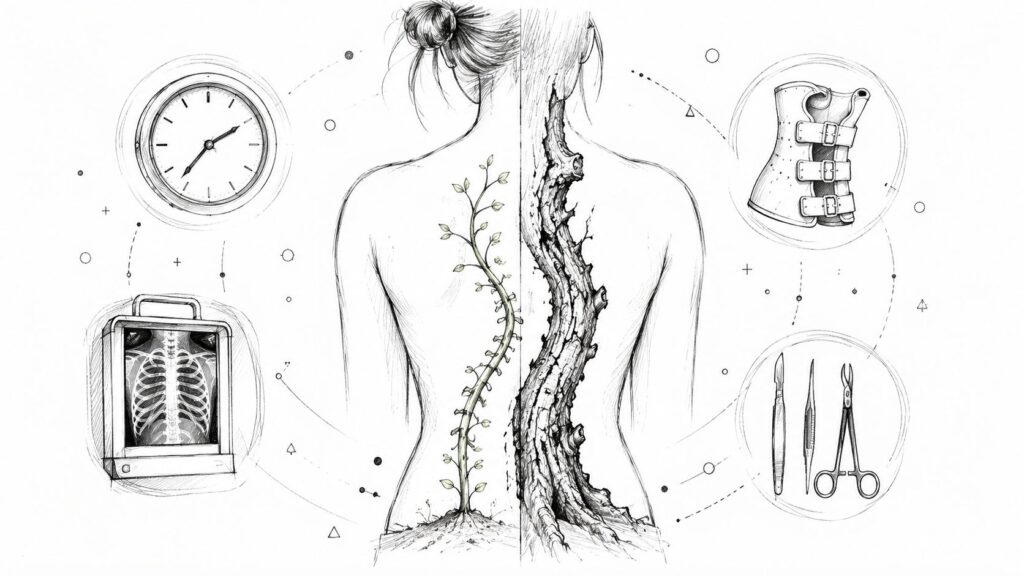
You notice it while your child is changing for sport. One shoulder looks a little higher. A waistband sits unevenly. A school jumper that fit normally a few months ago now hangs slightly twisted. Your teenager shrugs it off and says they feel fine. That's exactly why delayed scoliosis diagnosis can be so unsettling. The […]
When Does Scoliosis Develop? A Guide to Key Ages & Signs
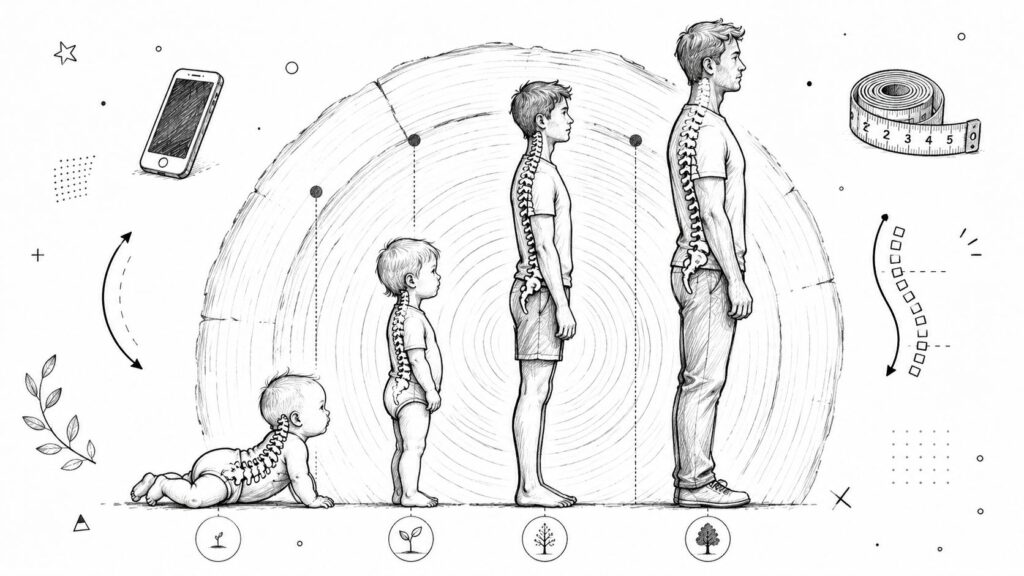
You notice it while your child is getting dressed for school. One shoulder seems a little higher. A shirt hangs unevenly. Or maybe you're an adult who's started to feel more crooked in the mirror, with back stiffness that doesn't quite fit the usual story of “just getting older”. That's often when the question lands […]
8 Modern Scoliosis Detection Strategies for You
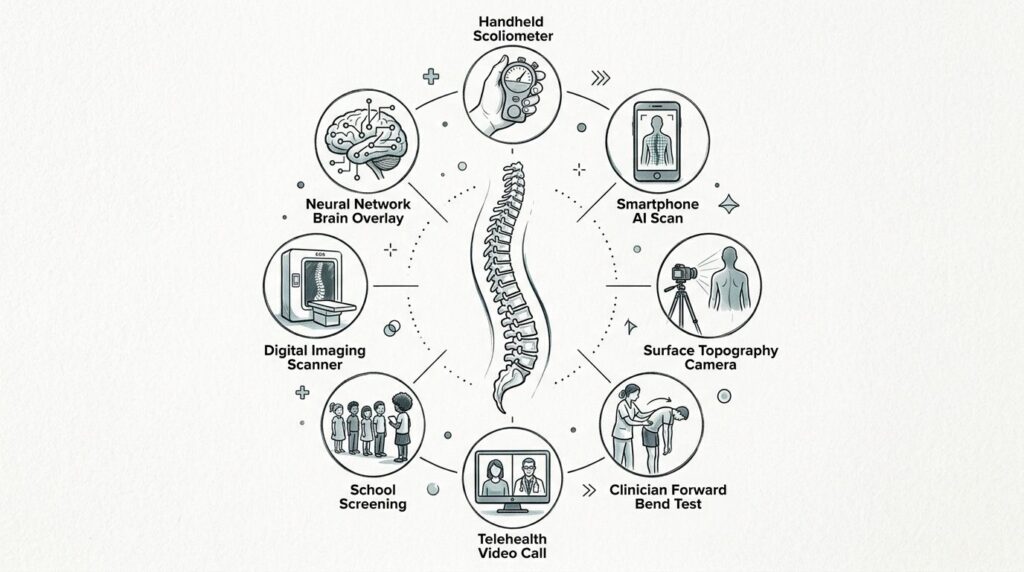
In one school-based screening study, adolescent idiopathic scoliosis was confirmed in 3.2% of the cohort, and clinical screening reached 73% sensitivity with 97% specificity in this study of physically active children. For day-to-day care, that is the practical takeaway. Early detection improves when screening starts before radiographs, not after symptoms, parent concern, or visible progression […]
Identify Scoliosis Risk Factors: Early Detection & AI
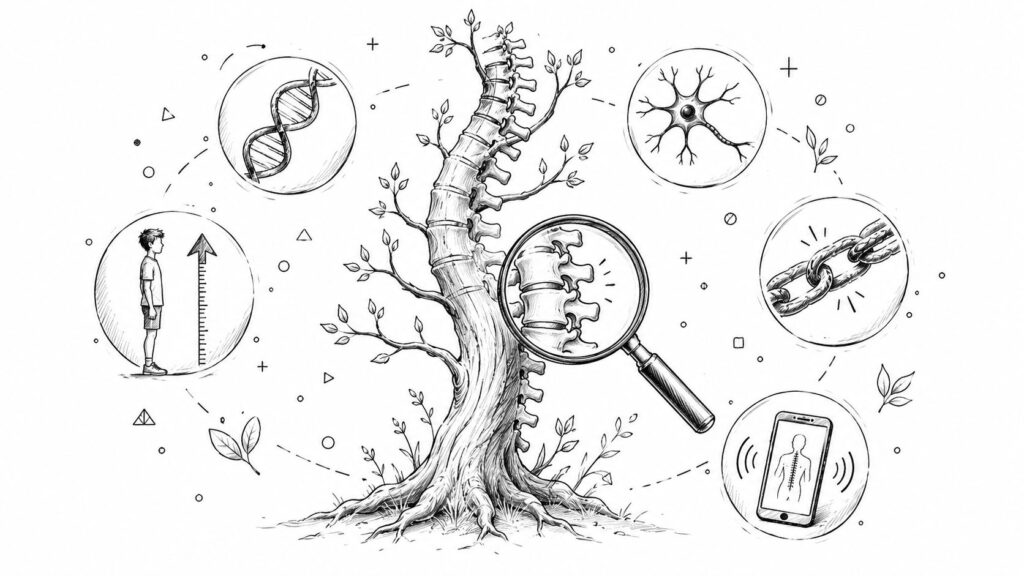
About 4% of adolescents are affected by adolescent idiopathic scoliosis, the most common form of scoliosis, according to Dr Tony Nalda's overview of scoliosis risk. That number changes the conversation. Scoliosis isn't a rare curiosity. It's something parents, family doctors, physiotherapists, and spine specialists need to think about early, especially during growth years. For many […]
Scoliosis Screening Challenges: A Clinical Guide
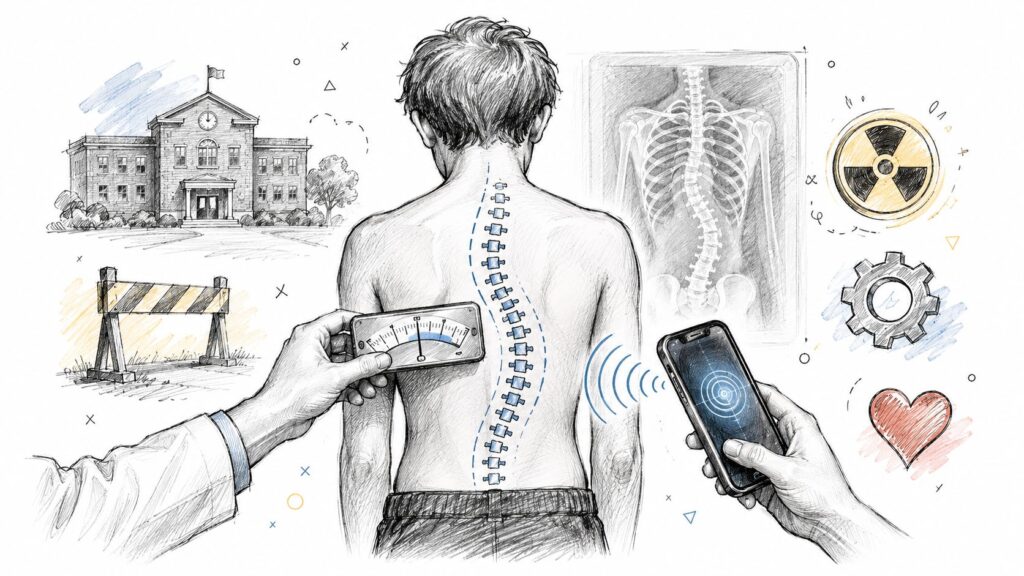
The most common advice on scoliosis screening sounds obvious: screen early, catch more curves, prevent worse outcomes. The problem is that this framing treats screening as a simple yes-or-no public health win. It isn't. In practice, scoliosis screening challenges sit at the intersection of uncertain evidence, imperfect bedside tools, patchy school implementation, slow follow-up pathways, […]
Scoliosis Detection Technology: A Clinical Guide for You
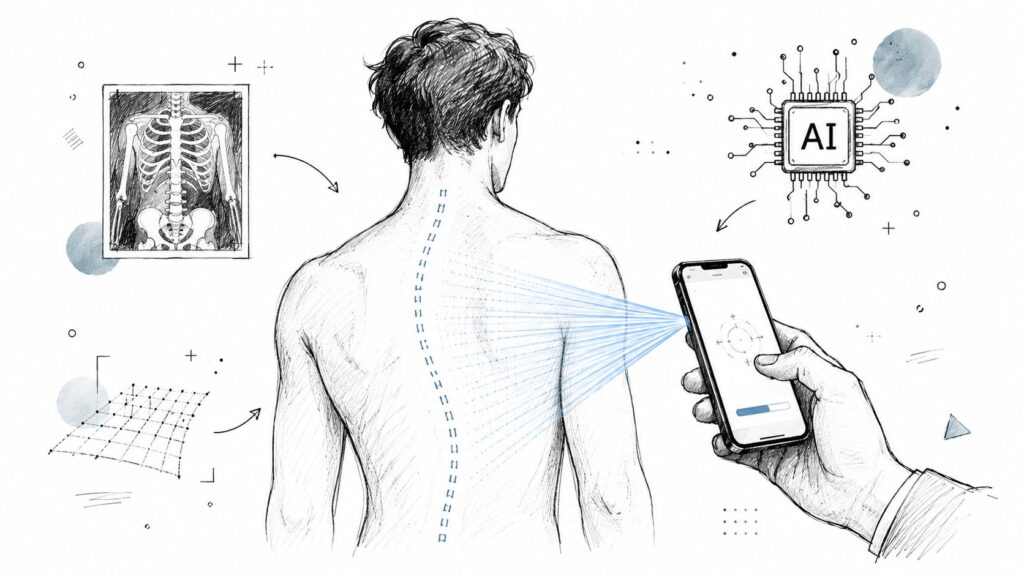
You're probably seeing the same pattern in the clinic that many spine teams see every week. A teenager gets flagged at school, or a parent notices uneven shoulders in a changing room mirror. The first visit is cautious, the exam is brief, and the next step often becomes imaging, follow-up, repeat measurement, and a long […]
Digital Spine Health: AI, Computer Vision & Future Care
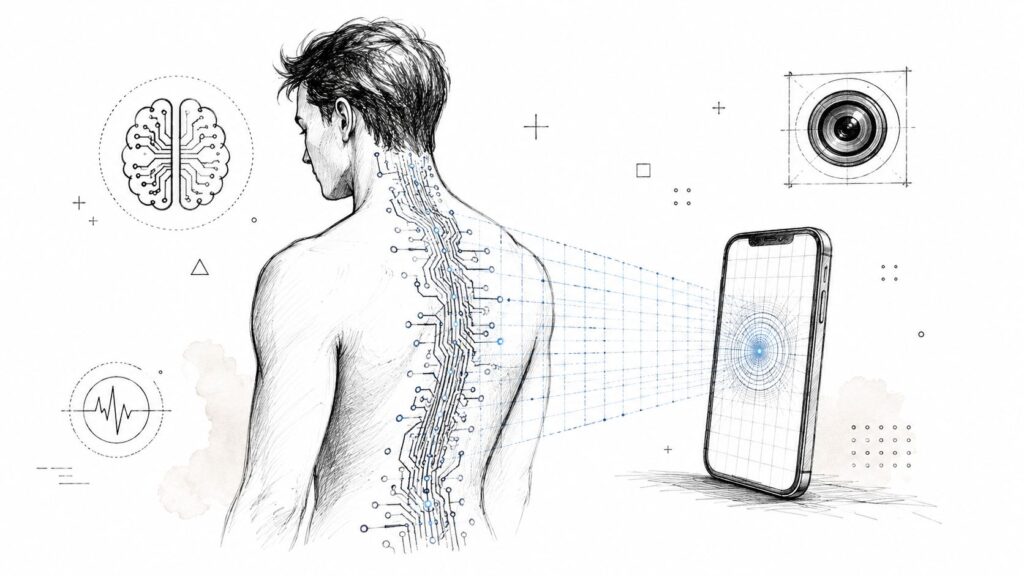
A parent notices their teenager leaning forward in every photo and wonders whether it's just screen-time posture or something that needs proper review. Across town, a physiotherapist is trying to keep track of several post-operative spine patients, knowing that what happens between appointments often matters as much as what happens in clinic. Both are dealing […]
Scoliosis Risk Factors: A Guide for Parents & Patients
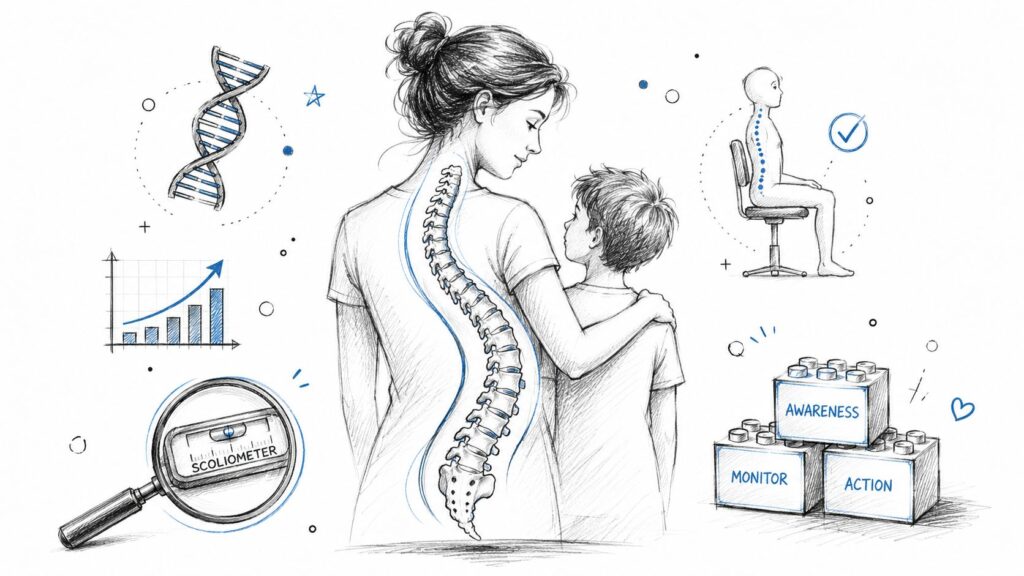
Scoliosis affects far more families than many parents realise, especially during the growth years of late childhood and adolescence. That matters at home, not just in the clinic, because early changes can be subtle. A shirt may hang unevenly. One shoulder may look a little higher in photos. A coach, school nurse, or parent may […]
Your Guide to Digital Scoliosis Assessment
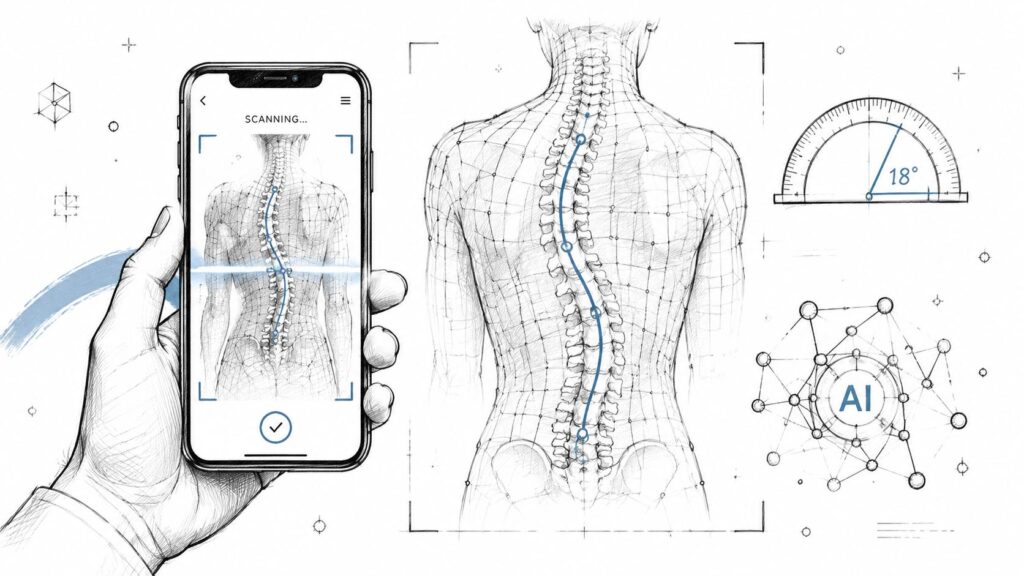
A lot of families reach the same point in the scoliosis journey. A check-up is coming. School and work schedules need rearranging. There's the drive to the clinic, the waiting room, the awkward positioning for imaging, and the quiet question in the back of everyone's mind: has the curve changed? For clinicians, the friction looks […]