
Digital Scoliosis Monitoring: Using AI for Reduced Radiation
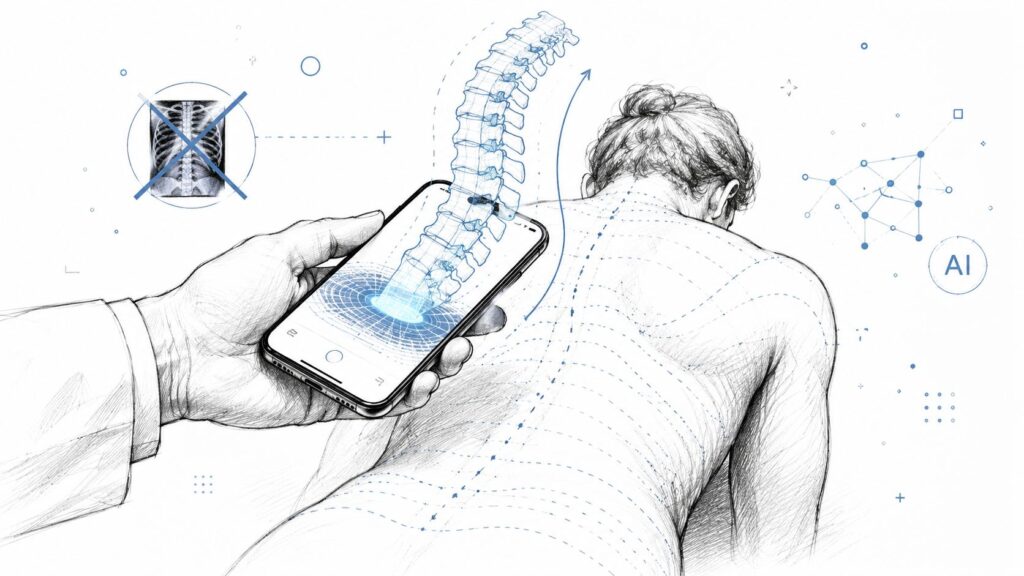
A parent is standing in a hospital gown queue with their child, waiting for yet another scoliosis follow-up X-ray. They know the routine. Stand still. Hold position. Wait for the report. Then go home with a single snapshot of a spine that is changing over time, often between visits rather than during them. Clinicians feel […]
Uneven Shoulders Scoliosis: Causes, Diagnosis, & Treatment
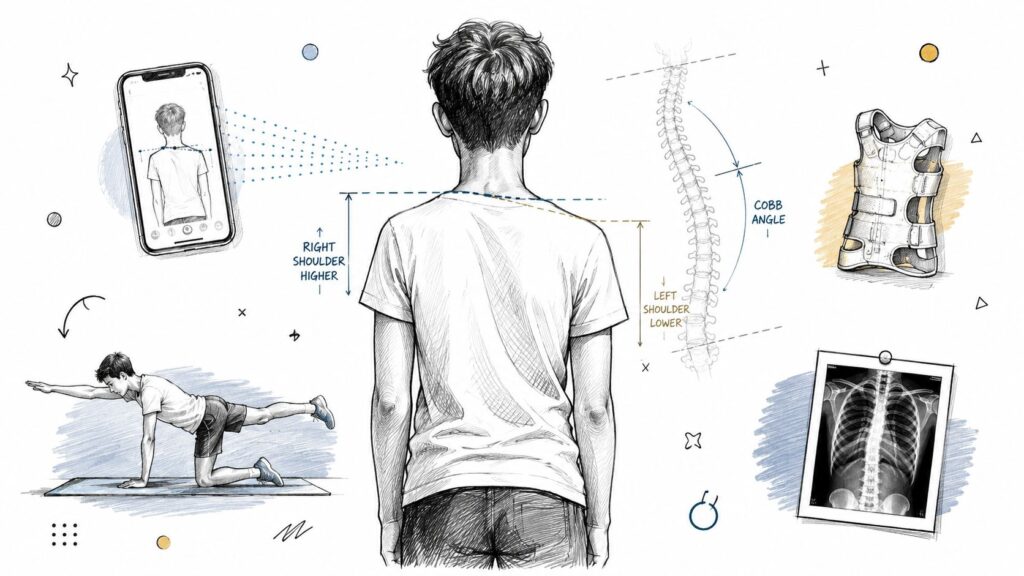
You're often not looking for scoliosis when you first notice it. It might be a school photo where one shoulder looks higher. It might be a vest that always hangs oddly. It might be a parent saying, “Stand up straight,” and the teen replying, “I am.” That moment can be unsettling because shoulder unevenness is […]
When Does Scoliosis Develop? A Guide to Key Ages & Signs
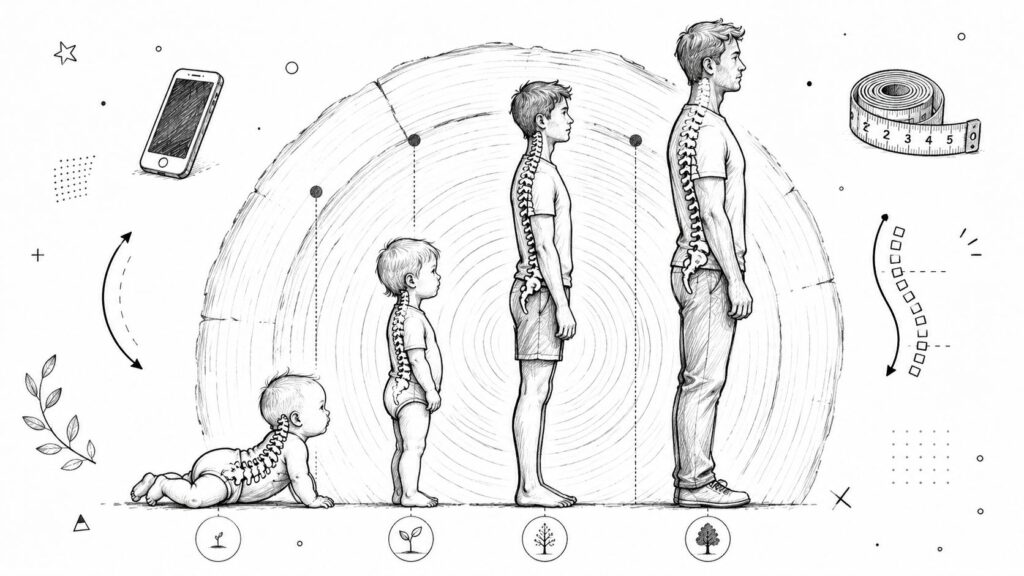
You notice it while your child is getting dressed for school. One shoulder seems a little higher. A shirt hangs unevenly. Or maybe you're an adult who's started to feel more crooked in the mirror, with back stiffness that doesn't quite fit the usual story of “just getting older”. That's often when the question lands […]
Spinal Alignment Issues: A Guide to Diagnosis and Care
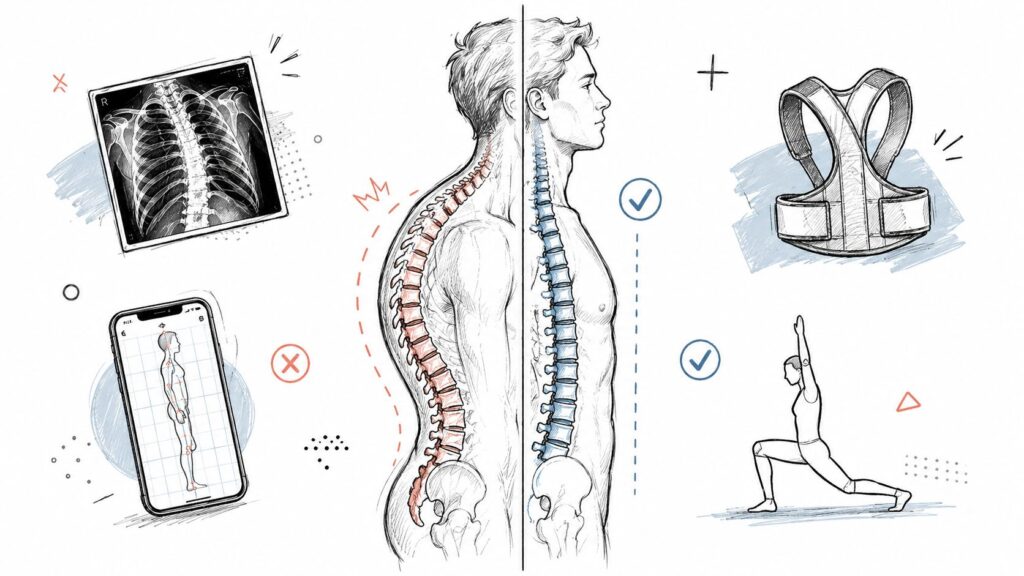
You might be reading this because your back has been nagging you for months, or because you noticed something small that won't leave your mind. One shoulder looks higher in photos. Your posture collapses by mid-afternoon at your desk. A parent has mentioned that your teenager seems to lean to one side. Or you feel […]
Scoliosis Assessment Technology: Clinician & Patient Guide
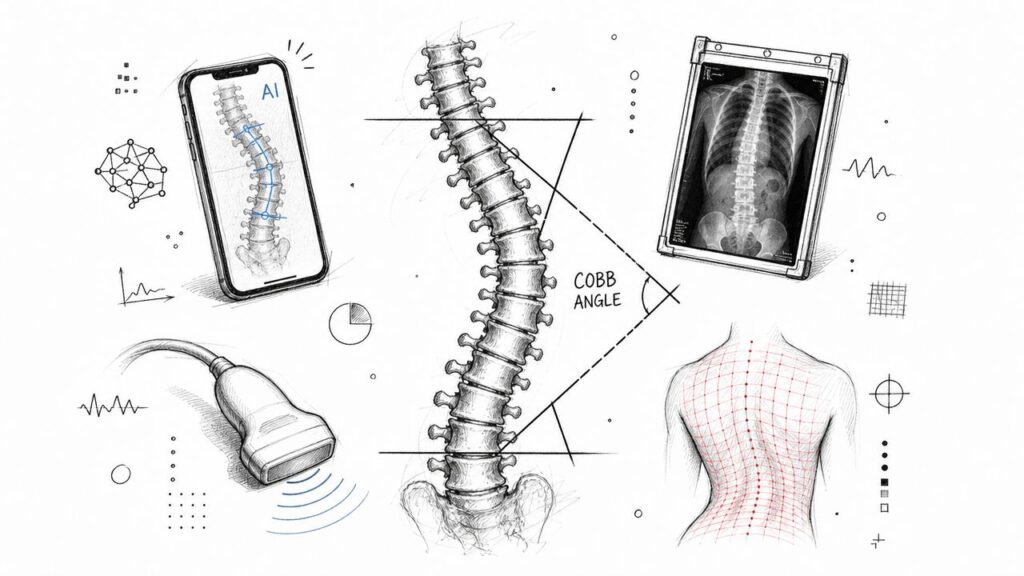
If you're reading this, you may be in one of two familiar situations. A parent is waiting for the next clinic visit and wondering whether a curve has changed. Or a clinician is looking at a follow-up schedule full of repeat checks and asking a practical question: do all of these children need another X-ray […]
Scoliosis Screening Challenges: A Clinical Guide
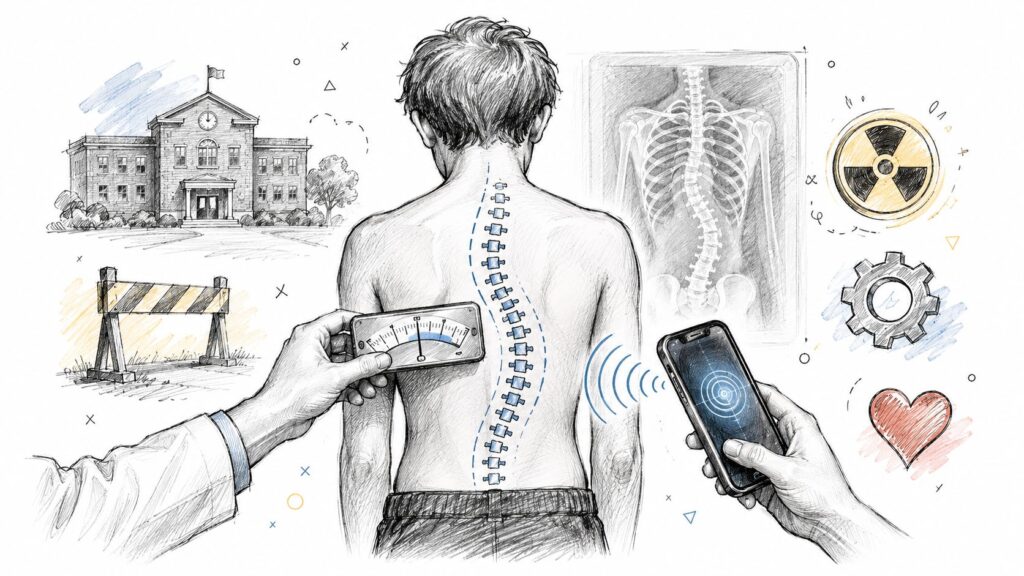
The most common advice on scoliosis screening sounds obvious: screen early, catch more curves, prevent worse outcomes. The problem is that this framing treats screening as a simple yes-or-no public health win. It isn't. In practice, scoliosis screening challenges sit at the intersection of uncertain evidence, imperfect bedside tools, patchy school implementation, slow follow-up pathways, […]
Scoliosis Prevention: An Evidence-Based Guide for You
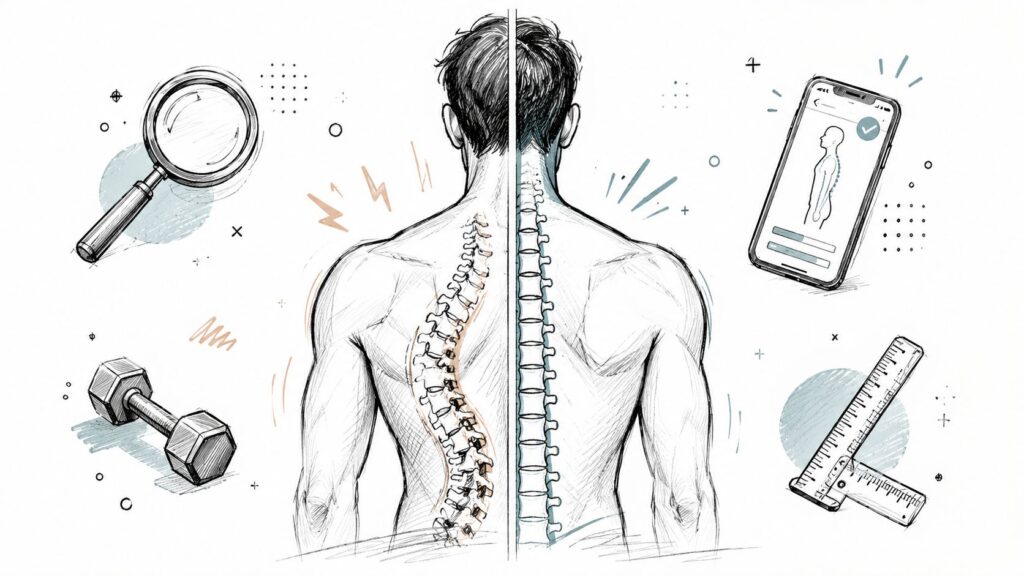
About 3.1% of children and adolescents have scoliosis, according to an international systematic review of population-level data, and it most often shows up or worsens during adolescence when growth is fastest (systematic review on paediatric scoliosis prevalence). For many families, that changes the question from “Could this ever happen to us?” to “If it does, […]
8 Modern Scoliosis Detection Strategies for You
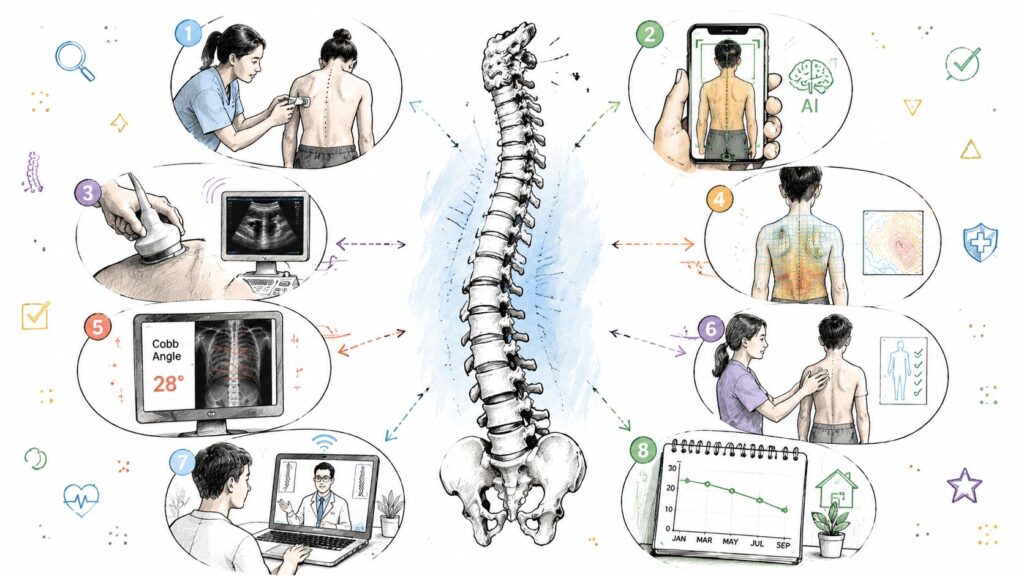
Two realities shape scoliosis detection. Curves often progress during growth, and clinic visits rarely happen at the exact moment that progression starts. That gap is why detection strategy matters. The earlier a meaningful change is spotted, the more practical options a clinician has for monitoring, exercise-based management, bracing referral, or imaging at the right time. […]
Scoliosis Detection Technology: A Clinical Guide for You
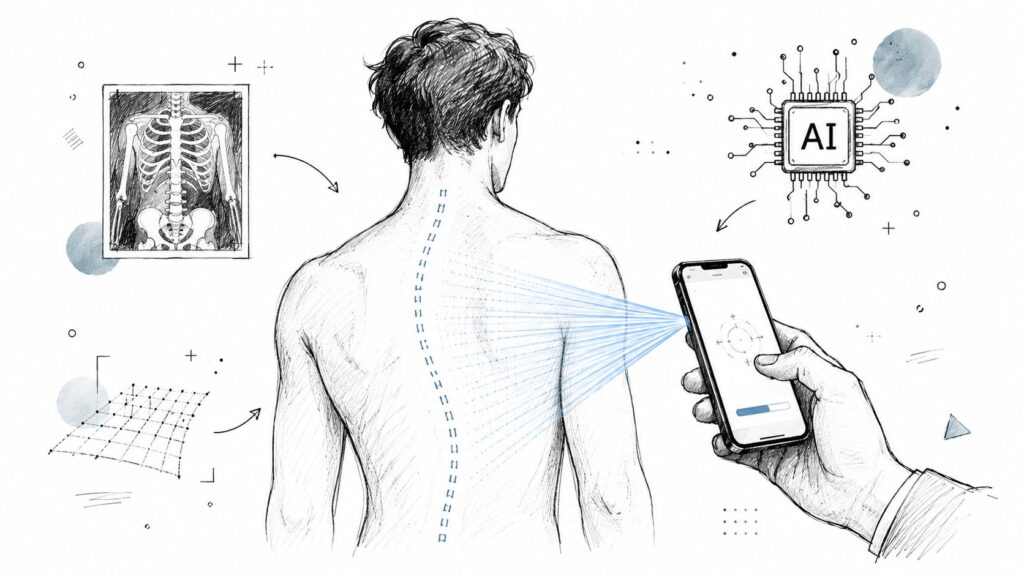
You're probably seeing the same pattern in the clinic that many spine teams see every week. A teenager gets flagged at school, or a parent notices uneven shoulders in a changing room mirror. The first visit is cautious, the exam is brief, and the next step often becomes imaging, follow-up, repeat measurement, and a long […]
Scoliosis Risk Factors: A Guide for Parents & Patients
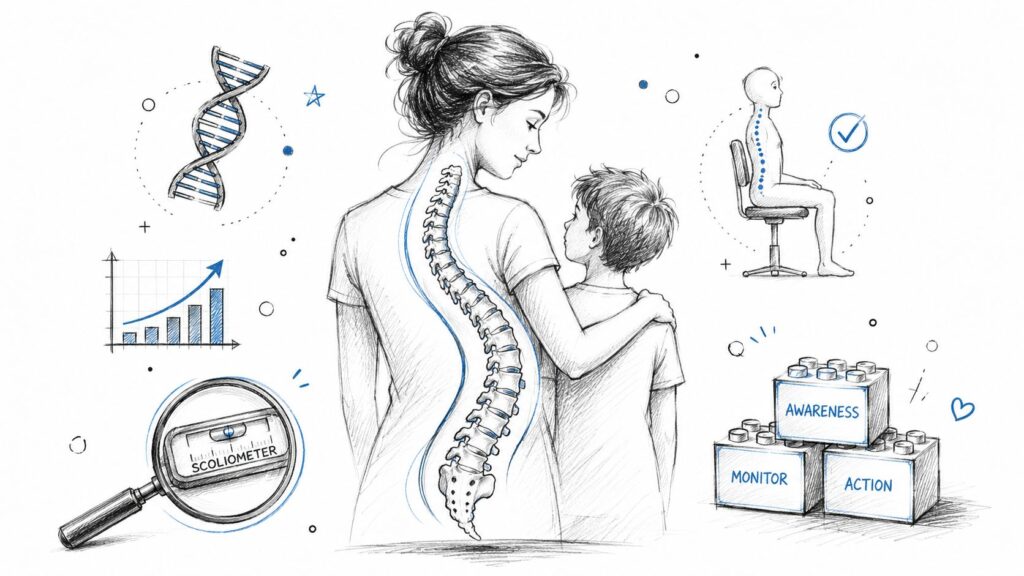
Scoliosis affects far more families than many parents realise, especially during the growth years of late childhood and adolescence. That matters at home, not just in the clinic, because early changes can be subtle. A shirt may hang unevenly. One shoulder may look a little higher in photos. A coach, school nurse, or parent may […]