
Smartphone Scoliosis Detection: A Complete Guide
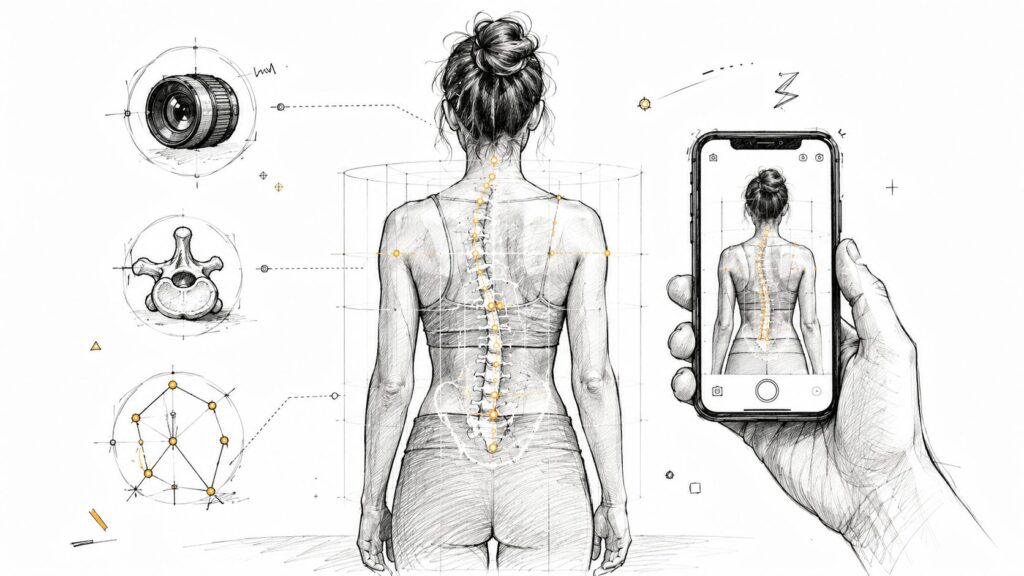
Yes, a smartphone camera can detect signs of scoliosis well enough to support screening and follow-up. In one multicentre study, an app correctly classified 91% of patients, 50 out of 55, but it estimated risk rather than diagnosing scoliosis, so an X-ray remains the confirmation standard. What should a parent do after noticing one shoulder […]
AI Scoliosis Detection: A Complete Guide
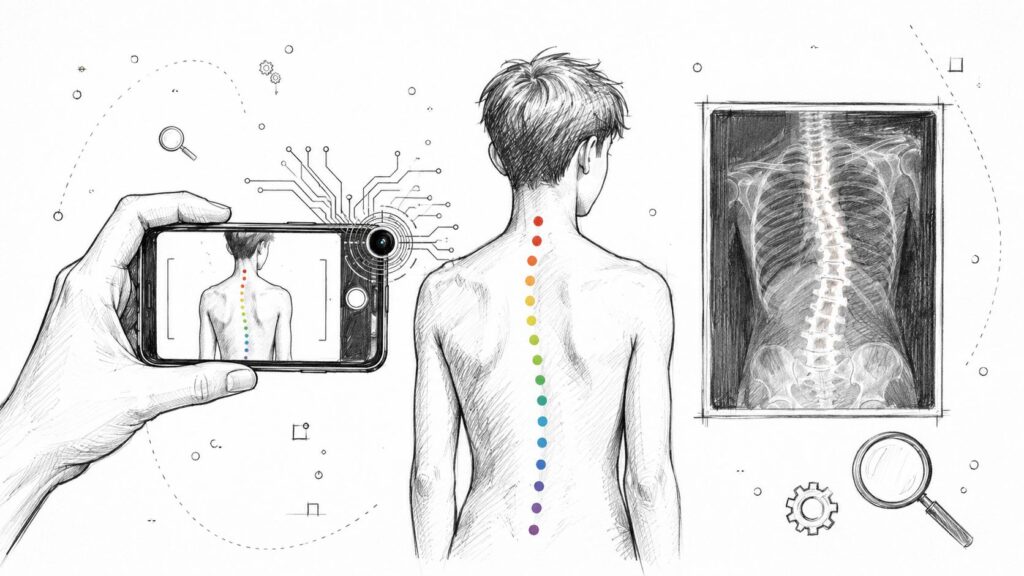
A parent stands in the kitchen, asks their teenager to take off a loose sweatshirt, and records a short video with a phone. A few seconds later, coloured landmarks appear along the back, the shoulders, and the hips, turning an ordinary household moment into a structured AI scoliosis detection screen. That shift matters because scoliosis […]
Mild Scoliosis Detection During Routine Checkups
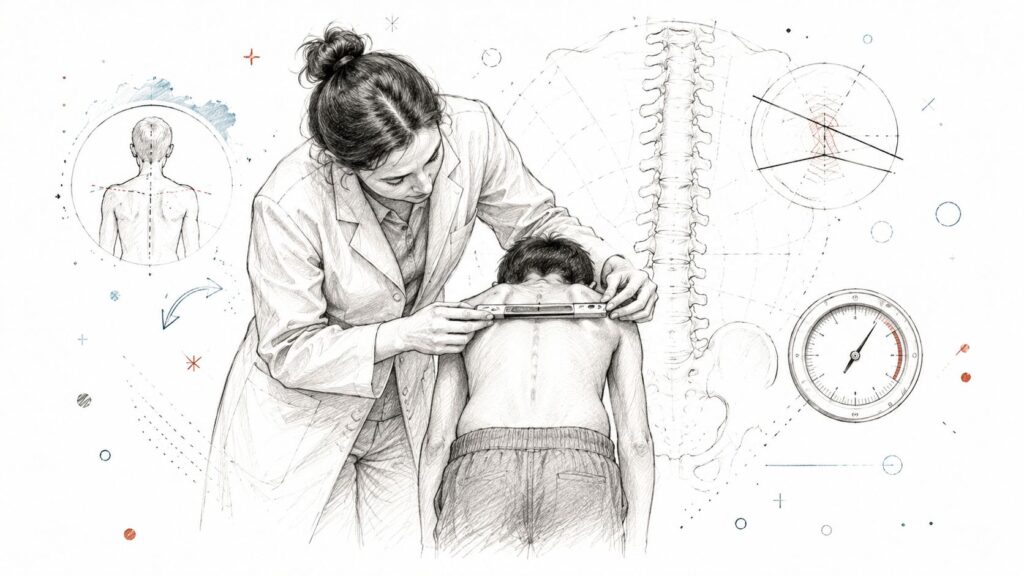
A routine checkup can often identify signs that mild scoliosis may be present, but visual or phone-based screening cannot confirm it. A Cobb angle greater than 10 degrees is required for a diagnosis. A parent may notice that one shoulder sits higher while a child changes for sport, or a clinician may see a rib […]
Positive Scoliosis Screening Explained
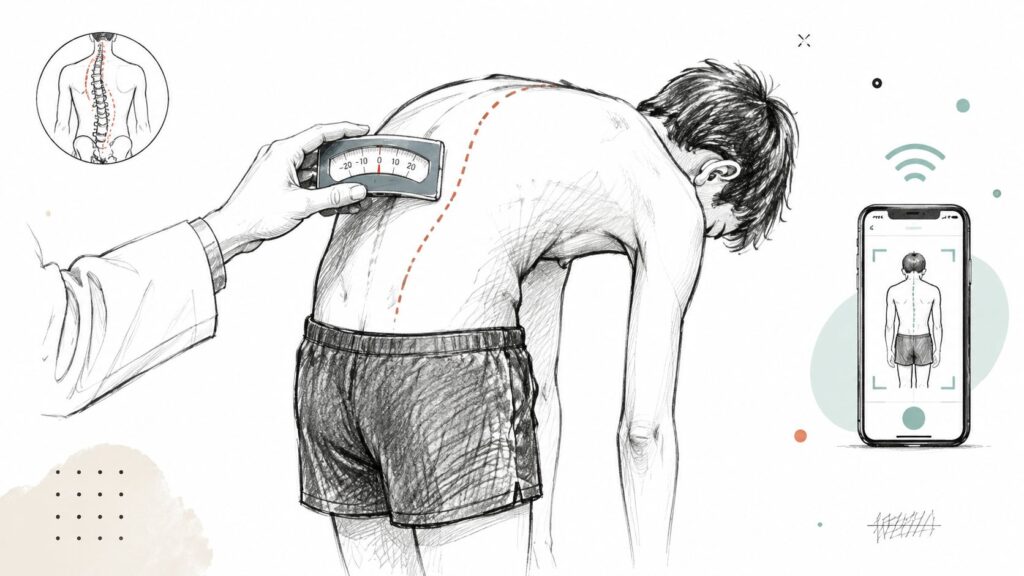
Your child comes home from school with a note, or you spot one shoulder sitting a little higher in the mirror, and suddenly the phrase positive scoliosis screening lands with real weight. That reaction is normal. A screen like this is meant to flag a possible issue, not to announce a diagnosis, and most families […]
Scoliosis Detection for Parents: A Practical Early Guide
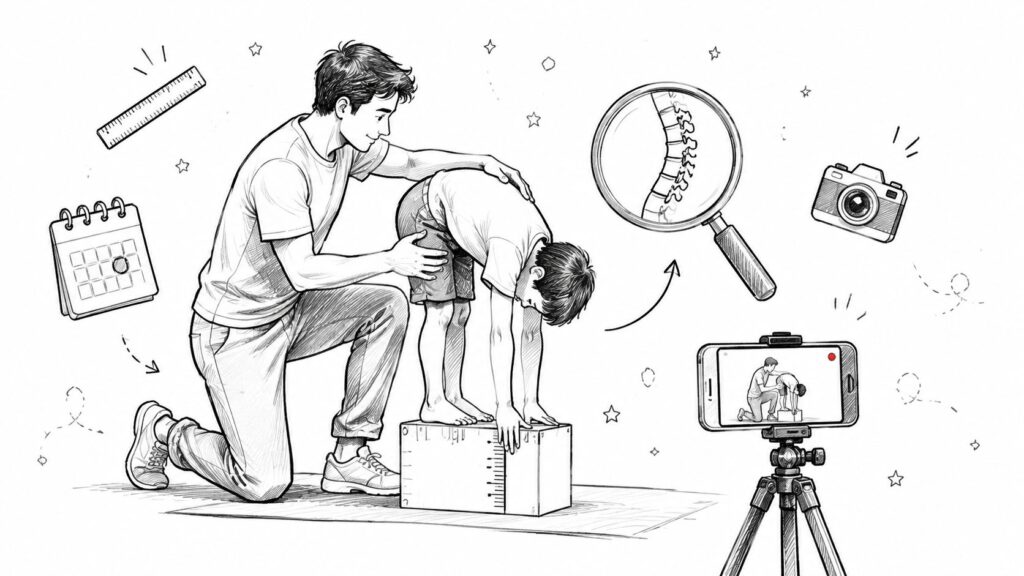
You're at the beach, the pool, or sorting school photos, and something looks a little off. A swimsuit strap keeps sliding, one shoulder sits lower, or a hemline hangs differently than you remember. That moment can set off a parent's worry fast, especially when your child seems completely fine and hasn't complained of pain. A […]
Scoliosis Screening Software: A Clinician’s Guide to AI
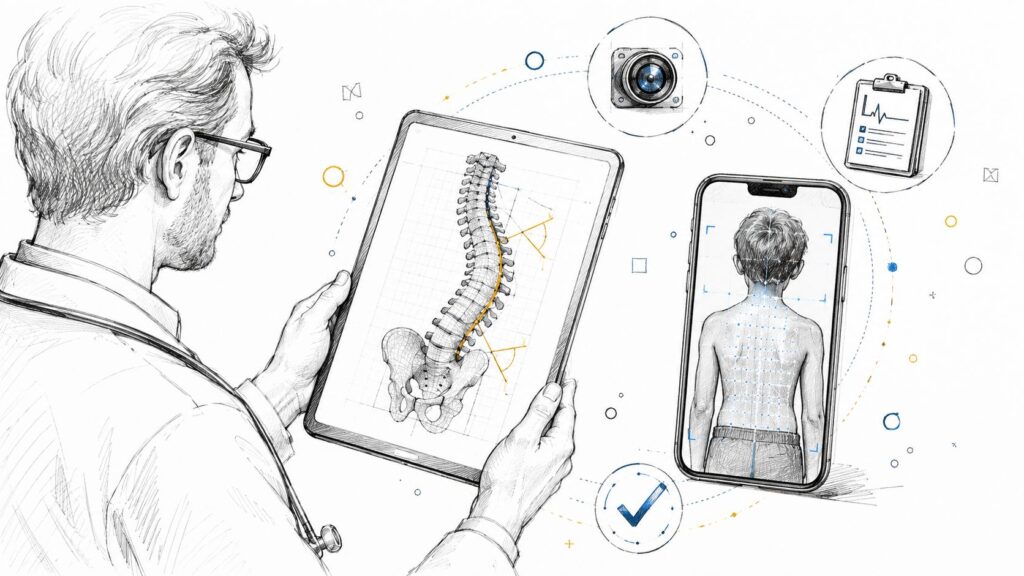
A school nurse sends you a note after lunch. A 13-year-old has a subtle shoulder difference; the family wants answers fast, and you're deciding whether to reassure, monitor, or refer before the next clinic slot opens. Scoliosis screening software is built for that exact moment, not as a replacement for your exam, but as a […]
Adolescent Scoliosis: Guide to Diagnosis & Treatment
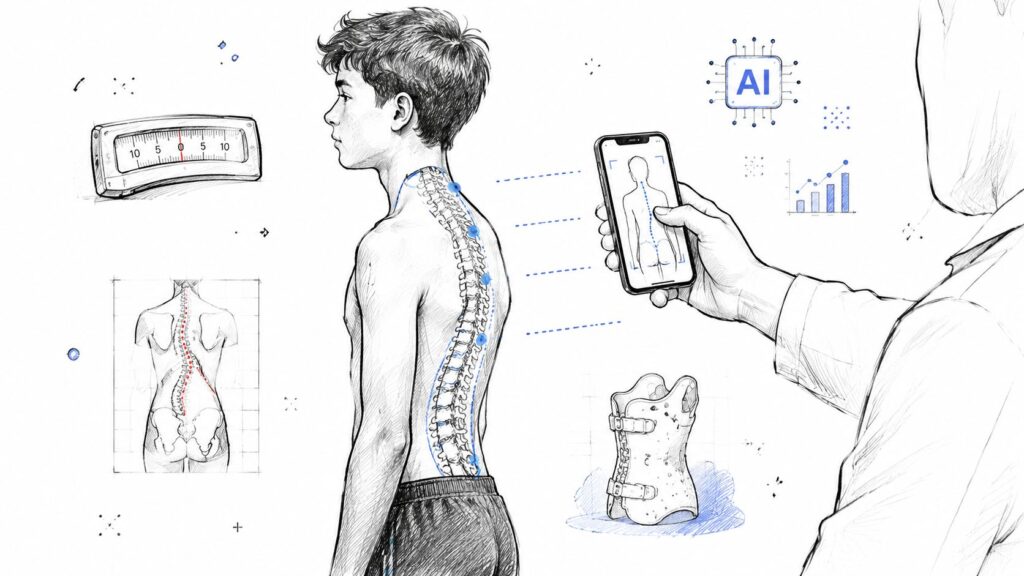
A parent notices one shoulder looks a little higher in a school photo. A coach says the back seems uneven when the teen bends forward. In clinic, the child feels fine, which makes everyone wonder whether this is a harmless posture habit or the start of something that could grow quietly through the next stretch […]
Scoliosis Assessment Measurements: Patient & Clinician Guide
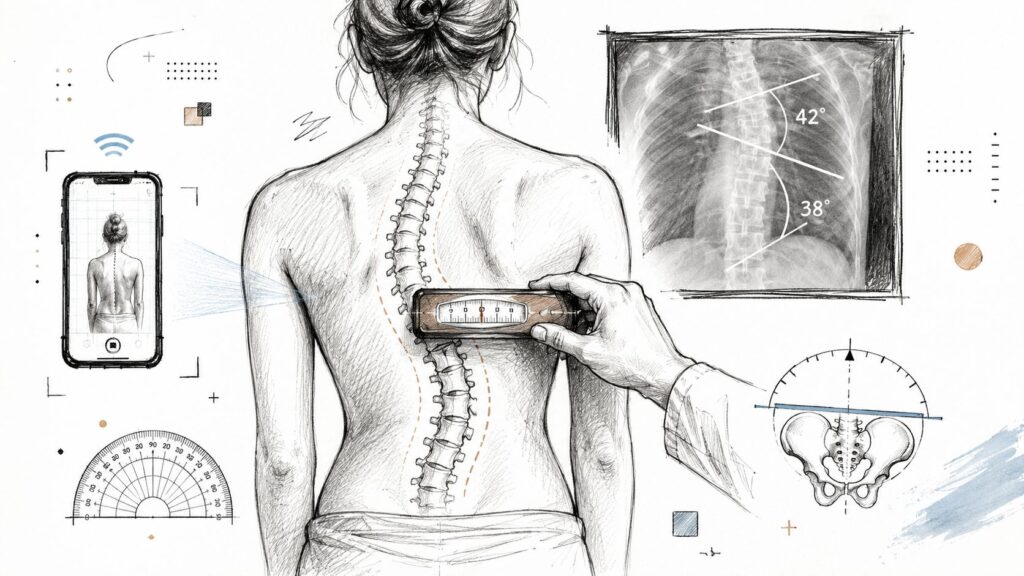
A parent opens a school screening letter and sees unfamiliar terms: ATR, rib hump, referral. A physiotherapy student watches a spine clinic and hears Cobb angle, Risser index, and rotation grade, but the measurements blur together. Both situations create the same feeling. You know the numbers matter, but you don't yet know what they mean […]
AI Healthcare Consulting for Patient Outcomes & Efficiency
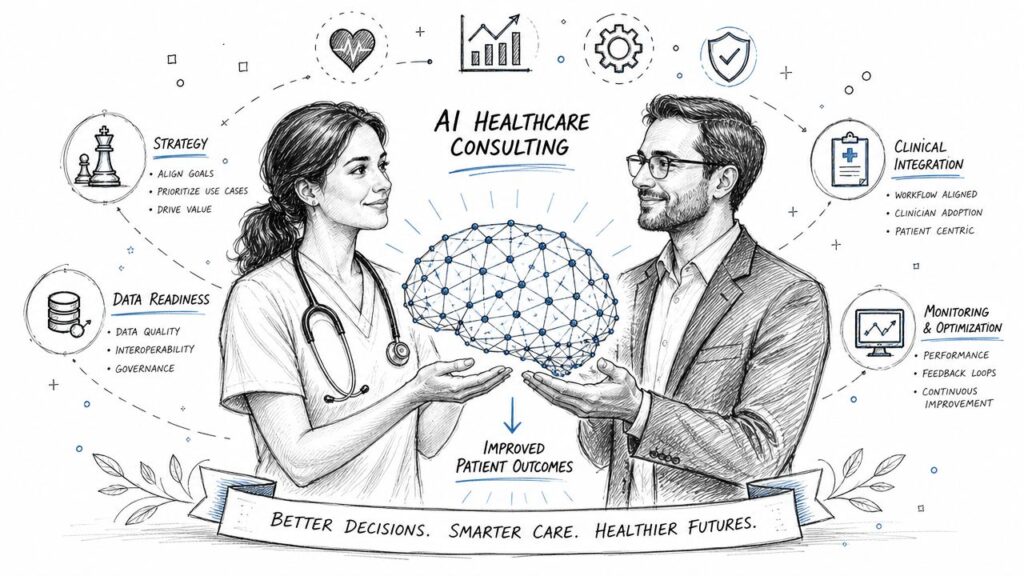
You're probably in one of two situations right now. Either your clinic is under pressure to “do something with AI”, or vendors keep showing up with polished demos that look impressive but don't answer your real question, which is simple: will this improve care, reduce friction, and pay for itself without creating a compliance headache? […]
Scoliosis Detection Technology: A Modern Clinical Guide
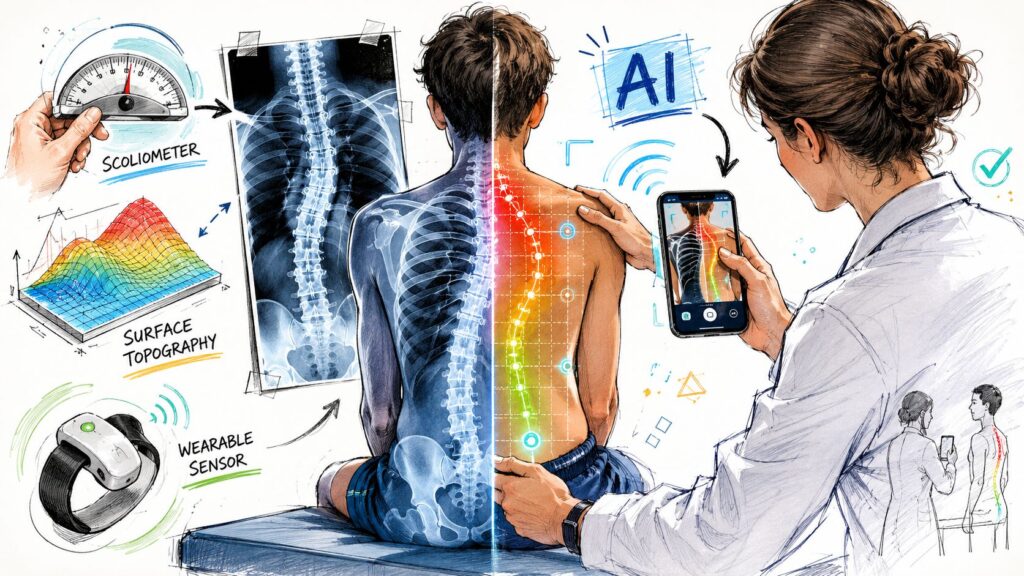
California still mandates school scoliosis screening, yet screening programmes have declined across North America while Adolescent Idiopathic Scoliosis incidence ranged from 118.3 to 147.6 per 100,000 persons in recent reporting, according to the California Department of Education scoliosis screening guidance. That combination changes the conversation. Scoliosis detection technology is no longer just about replacing an […]