
How to Recognise Scoliosis in Teenagers Before It Becomes
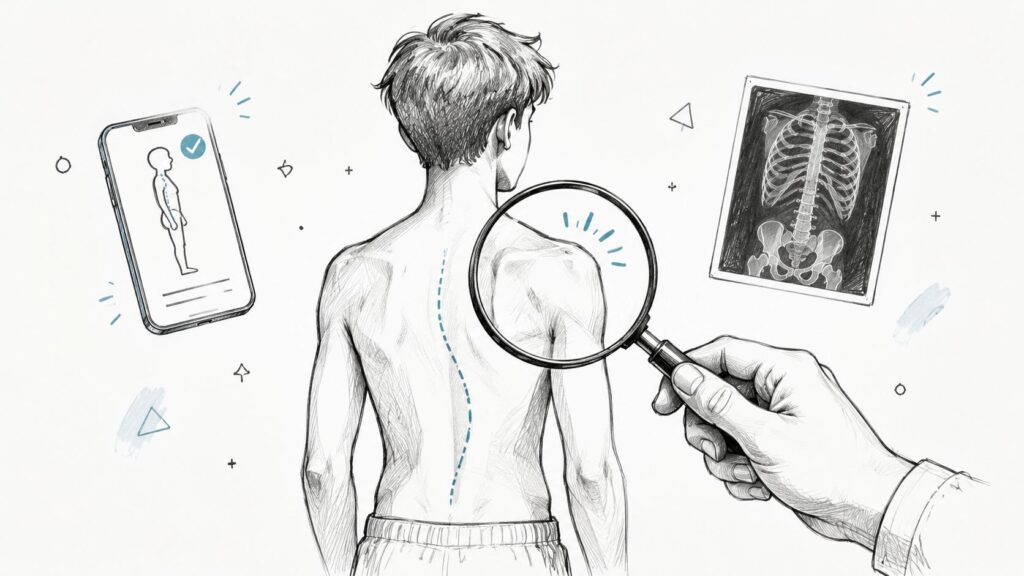
Your teenager changes clothes after school, and you notice one shoulder sitting higher than the other. When they bend to pick up a bag, one side of the back looks fuller. They say they feel fine, so it's tempting to blame a growth spurt, habitual slouching, or the way they're standing. That assumption can delay […]
AI Scoliosis Screening: What Can Technology Detect?
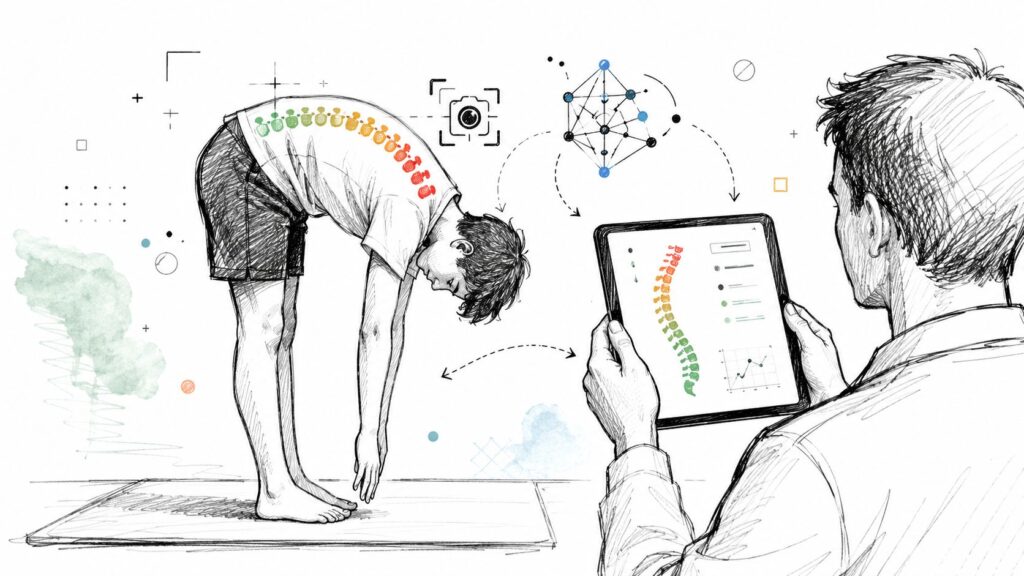
A parent watches a physiotherapist move a tablet across an 11-year-old's back. Within moments, the screen shows a coloured outline of the shoulders, pelvis and spinal midline. The result looks precise, but what does it mean? Can AI scoliosis screening detect a spinal curve, or is it only measuring posture? Those questions matter because a […]
Scoliosis Screening vs Diagnosis: Key Differences Explained
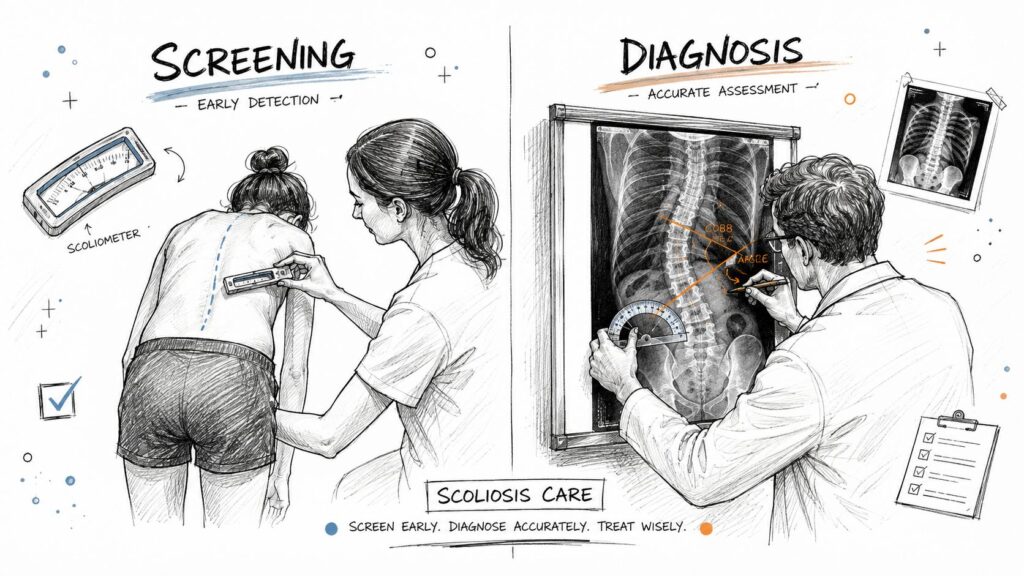
A school letter arrives: your child has a possible spinal curvature and needs further evaluation. Most parents understandably read that as “my child has scoliosis”. It doesn't mean that. The letter usually means a visual check has identified an asymmetry that deserves a closer look. That distinction, scoliosis screening vs diagnosis, determines what happens next. […]
Uneven Shoulders Scoliosis: Signs, Screening, and Next Steps
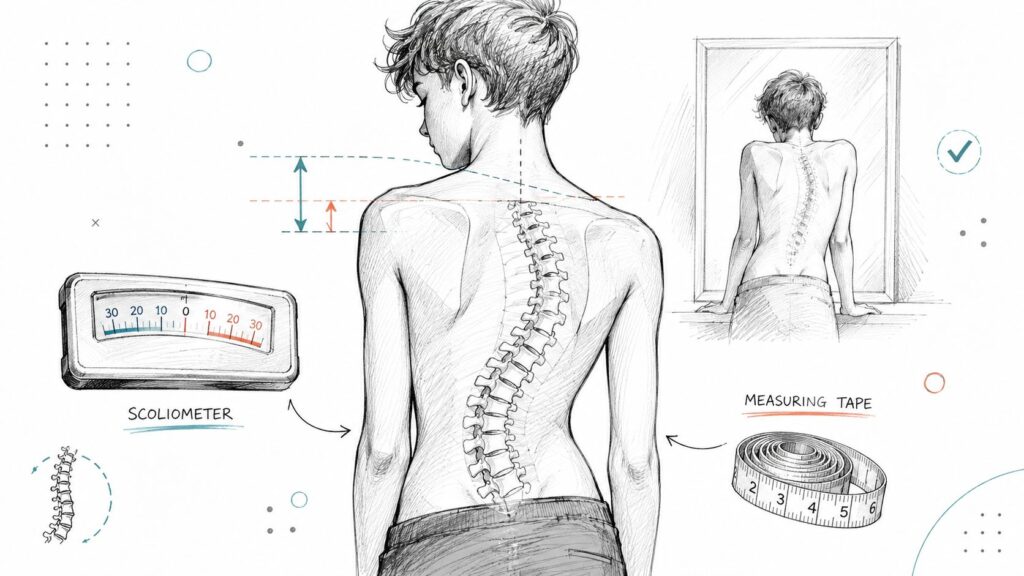
You notice it in a mirror, in a family photo, or when a sleeve hangs differently on each side. One shoulder looks a little higher, the other seems to drop away, and suddenly you're wondering whether it's just posture or something more. That moment is common, and it's exactly where uneven shoulders and scoliosis questions […]
Spinal Asymmetry Explained: When It Means Scoliosis
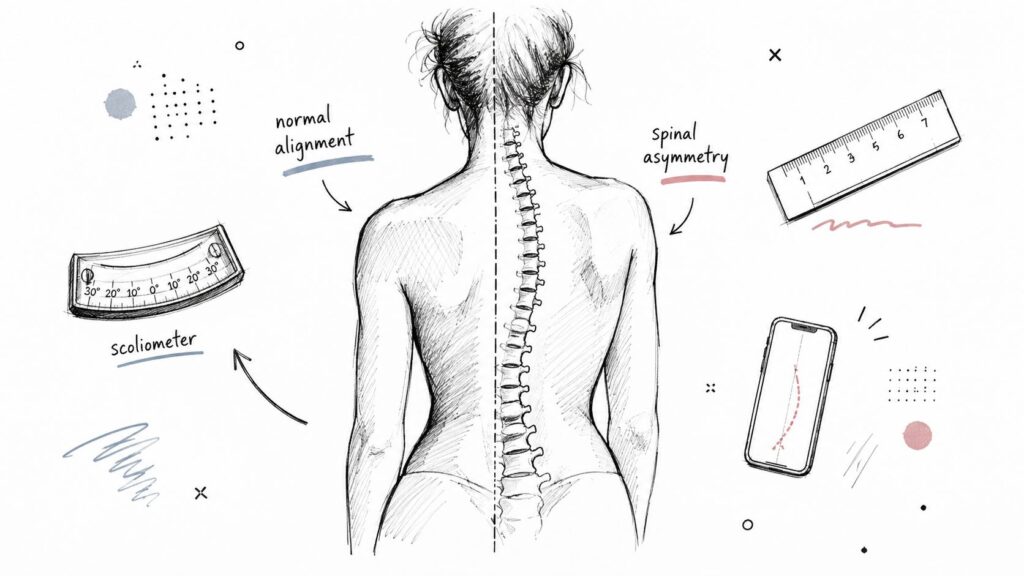
Is every uneven spine a warning sign, or can it be part of normal human variation? That question matters because parents often notice a shoulder that sits a little higher, a rib cage that looks slightly fuller on one side, or a back that seems off-centre, then assume the worst. In clinical practice, spinal asymmetry […]
Scoliosis Without Symptoms: Hidden Signs & Detection
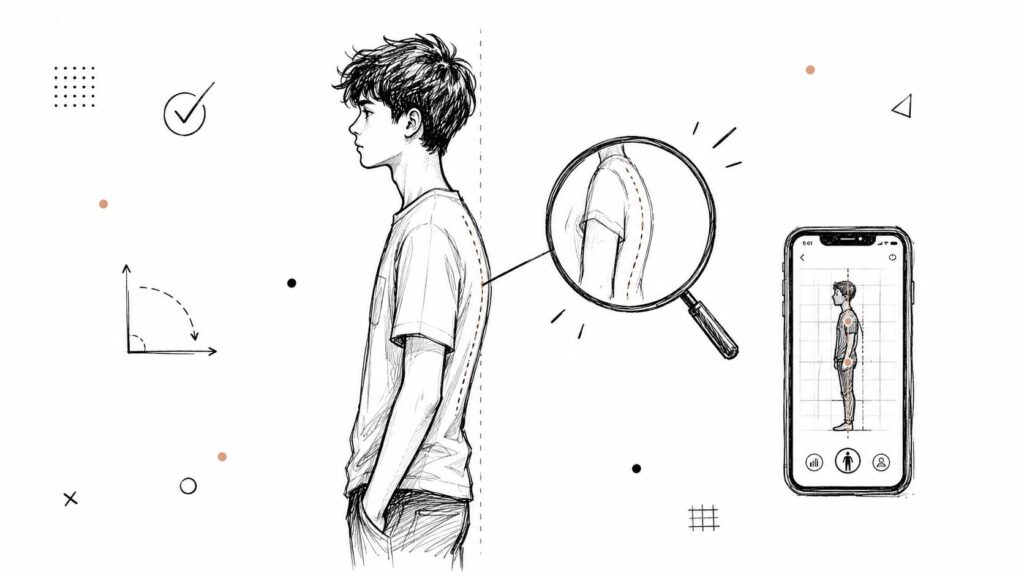
You've probably seen it before. A teen changes for PE, a parent notices one shoulder sits a little higher, or a T-shirt stops hanging quite right, yet nobody feels unwell, so the moment passes. That quiet gap is exactly where scoliosis without symptoms can stay hidden, sometimes for years, until a school screen, a routine […]
Scoliosis Detection Accuracy: Key Metrics & Benchmarks
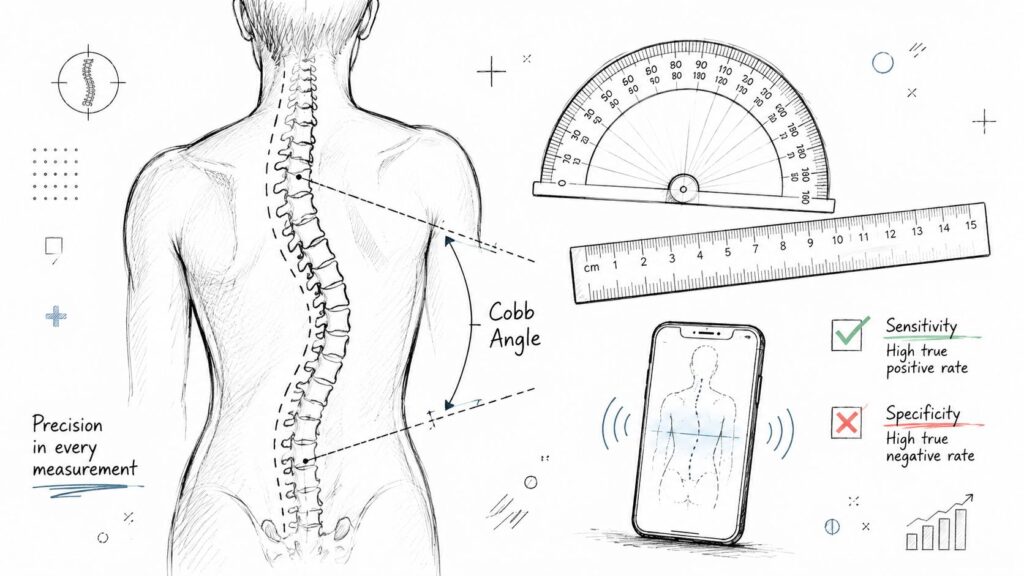
Scoliosis detection accuracy looks far less impressive when you stop treating it as one number. In one 2025 AI screening study, 80% of Cobb-angle estimates landed within 5° and 85% within 10°, which sounds strong until you remember that 5° is often the minimum change clinicians use to judge meaningful progression in practice. That is […]
Computer Vision Healthcare: Spine Disorder Detection Guide
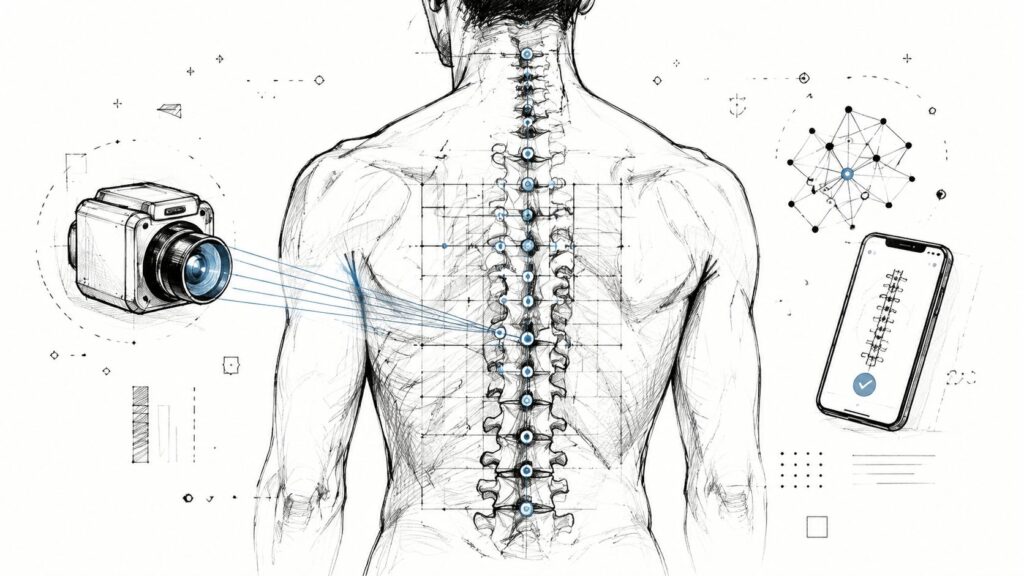
You're at the clinic for a routine check. The pain isn't severe enough to worry your family, but your shoulder looks slightly uneven in photos, and a parent, coach, or physio has started asking questions. That's often how spine issues first surface, not with a dramatic injury, but with a small visual clue that needs […]
Digital Posture Analysis: Modern Science for Spine Care
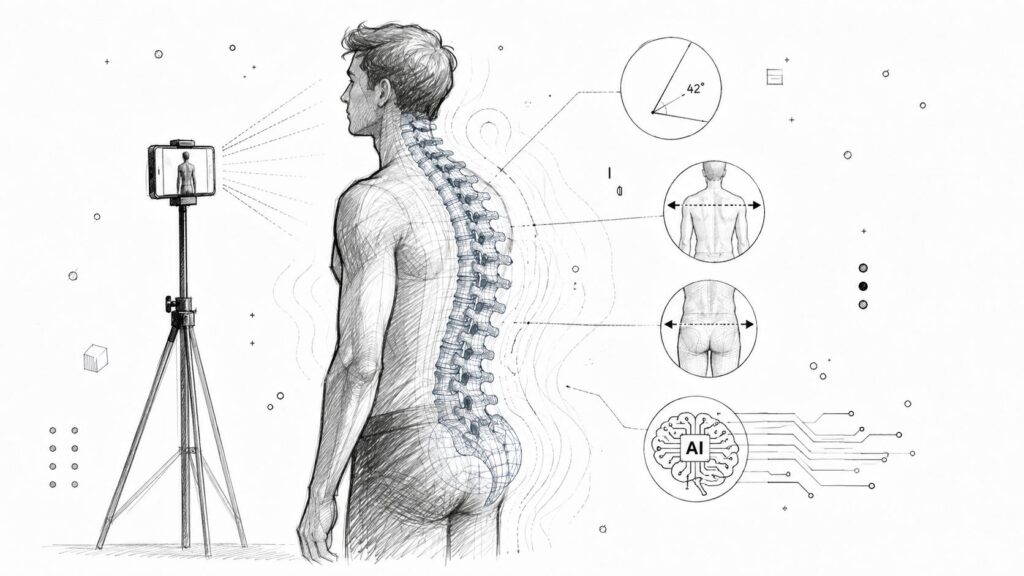
You're standing in a clinic or at home, looking at a phone screen, and wondering whether a slight slump, a one-shoulder carry, or a forward head posture is just a habit or something worth checking. That's the practical appeal of digital posture analysis: it turns a visual worry into a repeatable measurement without radiation, so […]
Severe Scoliosis Cobb Angle: Thresholds, Risks, and Care
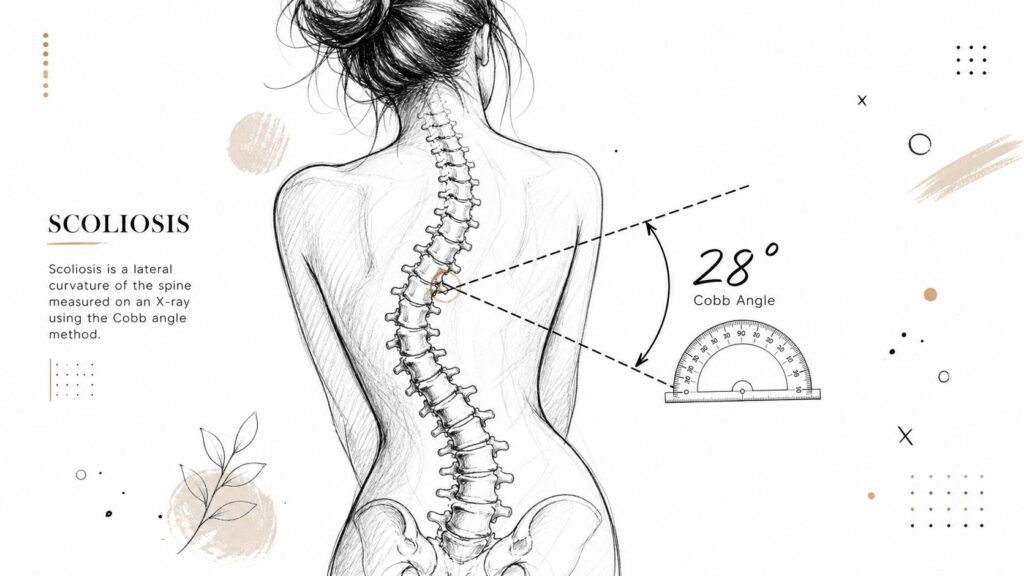
Your scan says 45 degrees, and the word severe lands before you've had time to ask what it means. For a parent, that number can sound like a straight path to surgery. For an adult patient, it can feel like a verdict on pain, posture, and the future. The problem is that a severe scoliosis […]