
AI Spine Analysis Guide for Clinical and At-Home Use
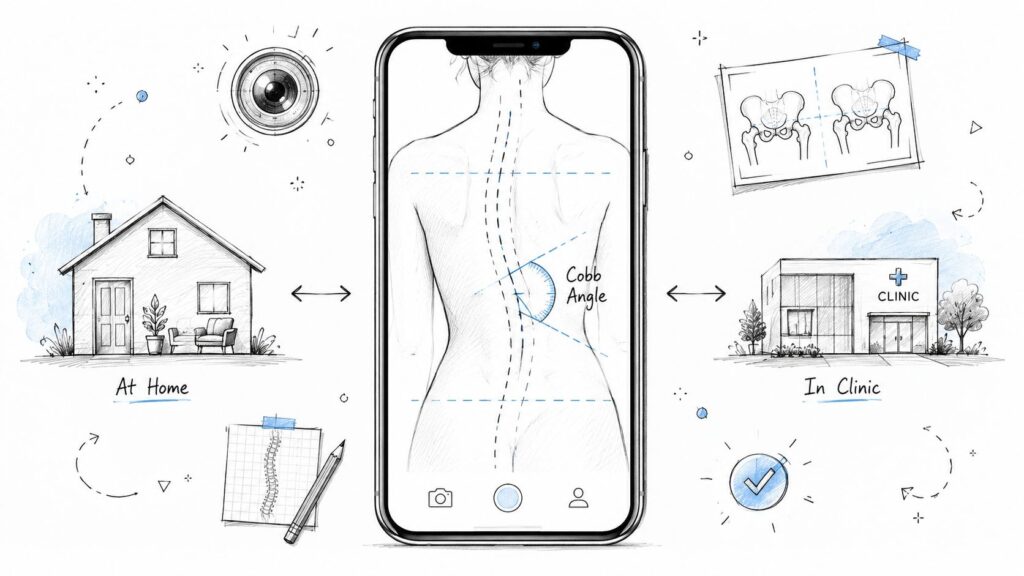
A smartphone can now help separate ordinary posture variation from a pattern that deserves follow-up, and that makes AI spine analysis more relevant in daily care. In one recent camera-based study, a non-radiographic posture system reached 93.4% sensitivity and 91.8% specificity for postural deviations beyond diagnostic thresholds, with 2.3° mean absolute error for forward head […]
Posture Monitoring Software: A Complete Clinical Guide
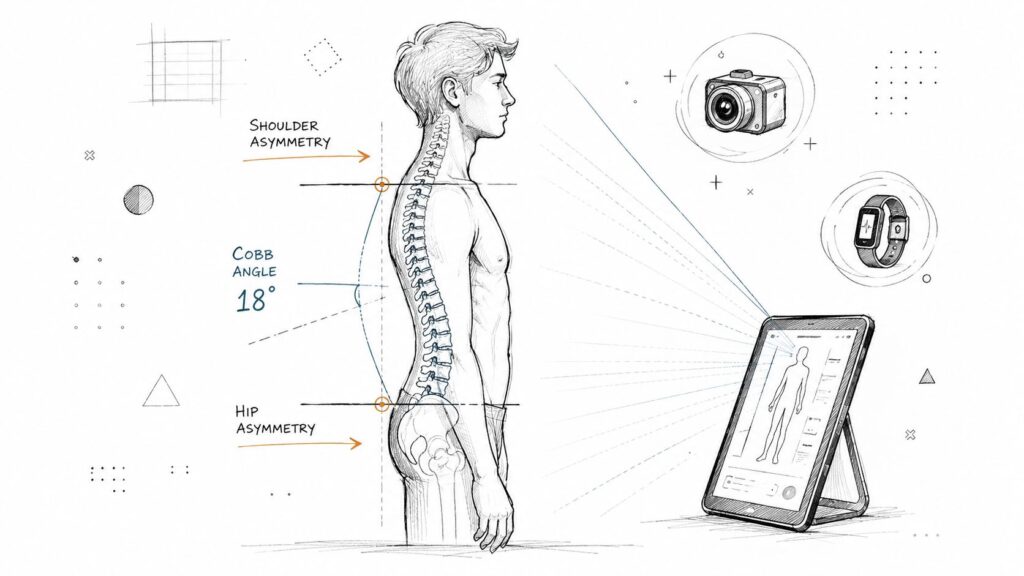
A parent sits in a waiting room holding a folder of spine images. A physiotherapist scrolls through old notes, trying to decide whether a teenager's curve has changed enough to justify another scan. A surgeon sees the same pattern every week. There's concern, there's uncertainty, and there's often a long gap between one meaningful measurement […]
A Guide to The Best Methods for Natural Scoliosis Prevention
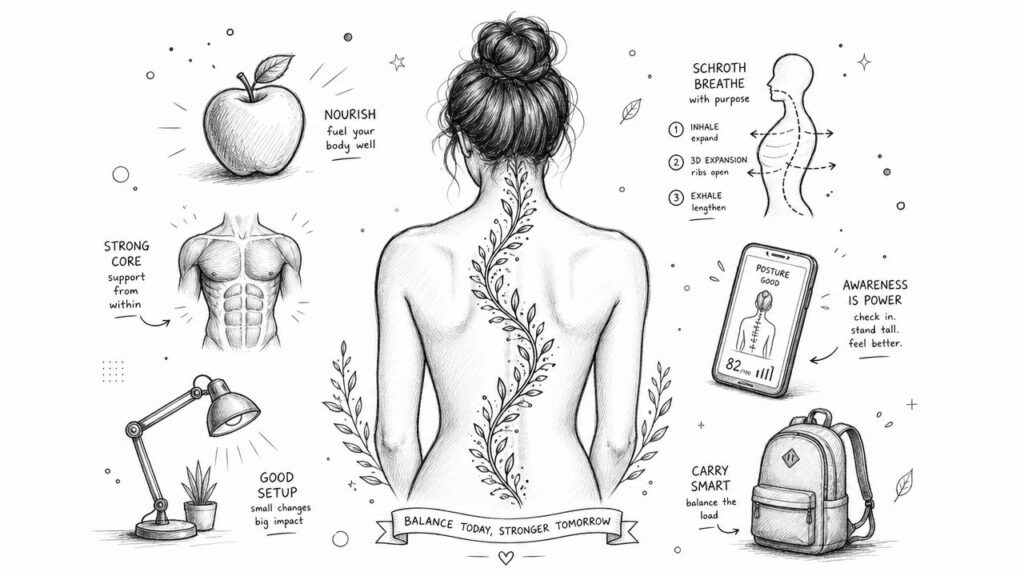
A lot of popular advice about natural scoliosis prevention starts in the wrong place. It tells families to fix posture, buy a better chair, strengthen the core, or avoid slouching, as if those habits can stop scoliosis from starting. That sounds reassuring. It just isn't the full truth. If we're talking about Adolescent Idiopathic Scoliosis, […]
Early Spine Health Checks: A Guide for Parents & Clinicians
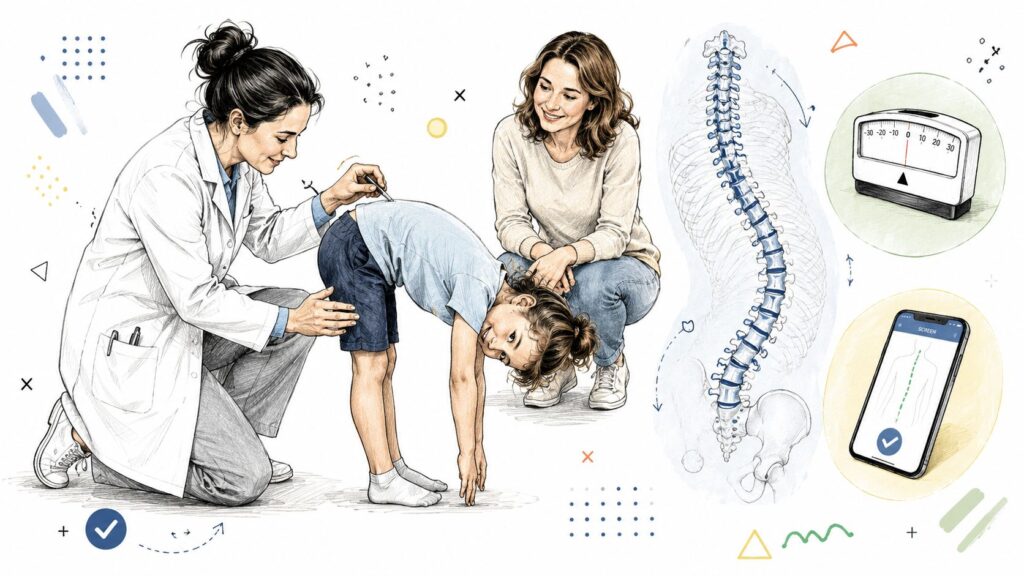
California tested 628,791 newborns for Spinal Muscular Atrophy in the first 18 months of its universal screening programme, identified 34 confirmed cases, and 62% of those infants began treatment while still asymptomatic, according to California screening data summarised in the verified material above. That figure matters even though SMA is not scoliosis. It shows what […]
Scoliosis or Bad Posture: Key Differences & AI Tools
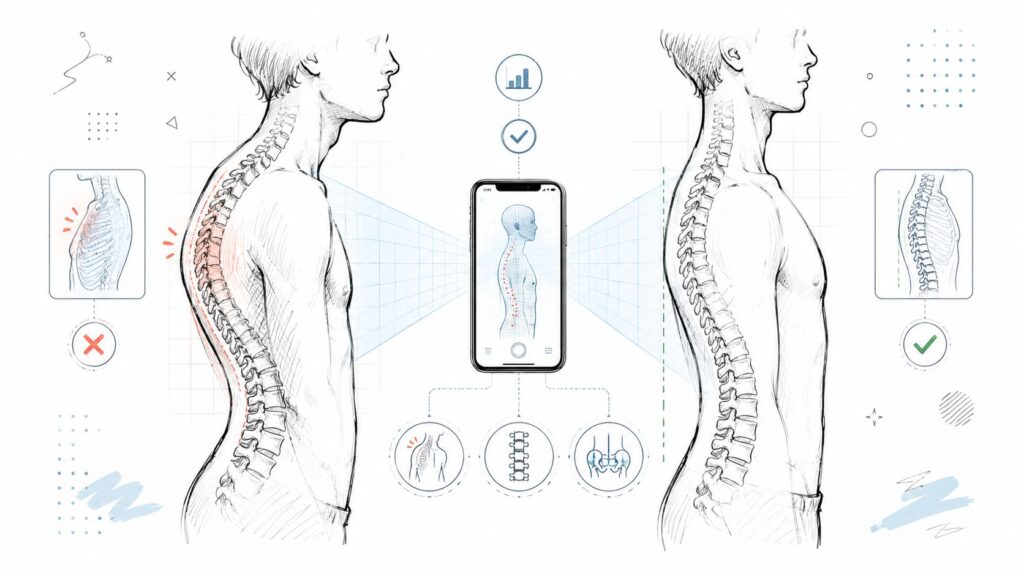
You notice it in a changing-room mirror, a school photo, or when your child bends to tie a shoe. One shoulder looks higher. The shirt hangs unevenly. A “slouch” that once seemed like a habit suddenly feels loaded with bigger questions. For most families, the first worry isn't technical. It's immediate. Is this scoliosis or […]
Smart Posture Tracking: Innovating Spinal Health
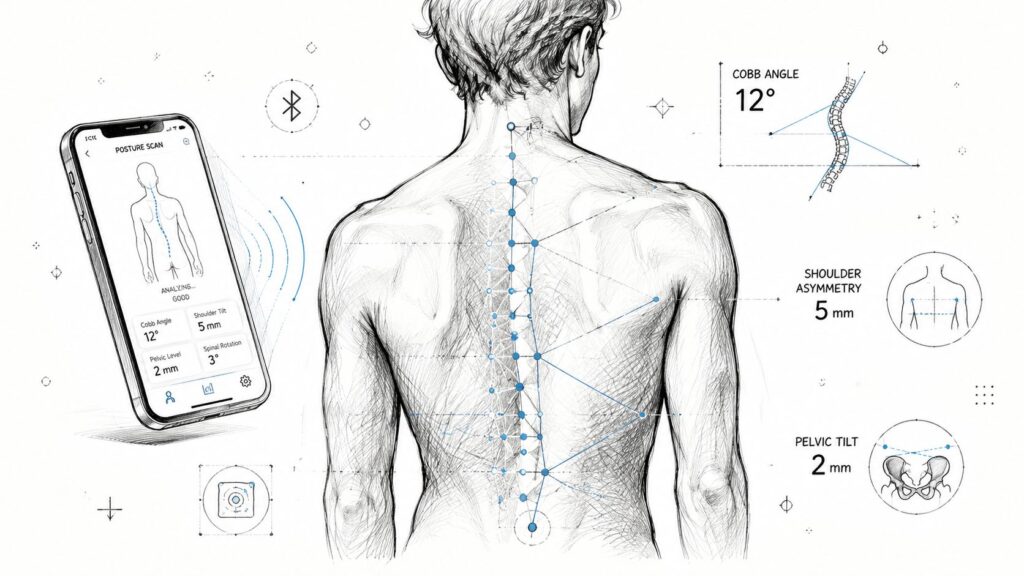
You're probably reading this in one of two situations. Either your shoulders are creeping forward over a phone or laptop right now, or you're a clinician who's heard patients say, “I'm trying to sit better, but I don't know if I'm improving.” That uncertainty has been a problem in spinal care for a long time. […]
Remote Scoliosis Screening: Complete Protocol for Clinicians
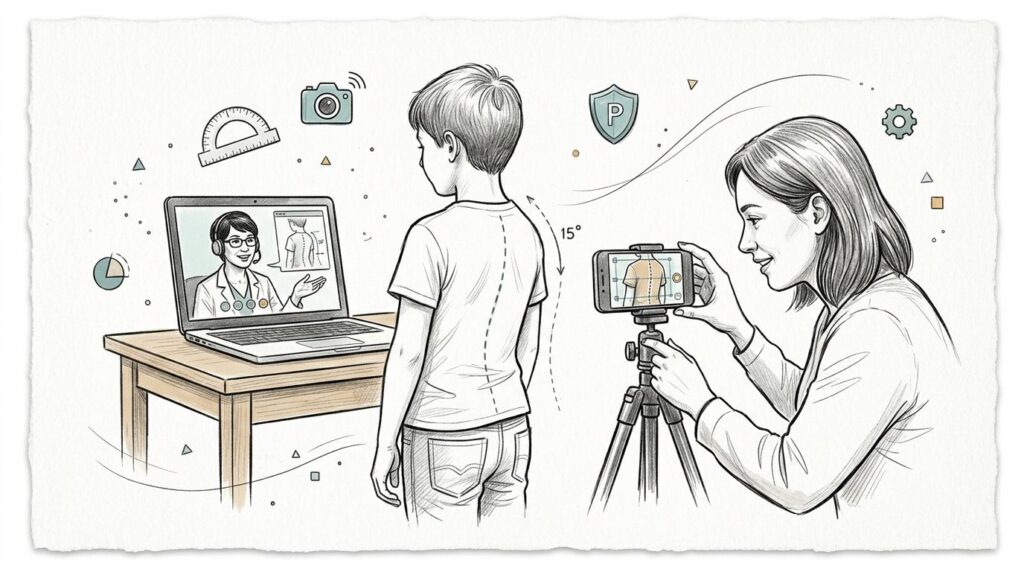
A parent notices that one shoulder sits slightly higher in a school photo. A physiotherapist in a rural clinic sees a teenager once, then struggles to get them back for review because travel is difficult. A spine specialist receives a referral that's late, incomplete, and based on a vague note about “poor posture”. Those are […]
Digital Spine Health: AI, Computer Vision & Future Care
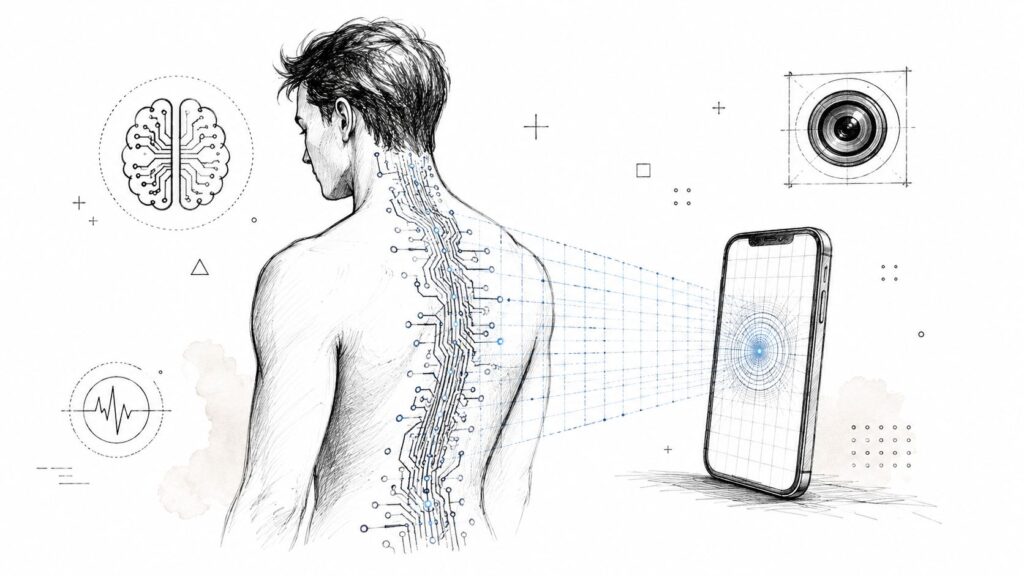
A parent notices their teenager leaning forward in every photo and wonders whether it's just screen-time posture or something that needs proper review. Across town, a physiotherapist is trying to keep track of several post-operative spine patients, knowing that what happens between appointments often matters as much as what happens in clinic. Both are dealing […]
Benefits of Early Scoliosis Detection that Maximise Outcomes
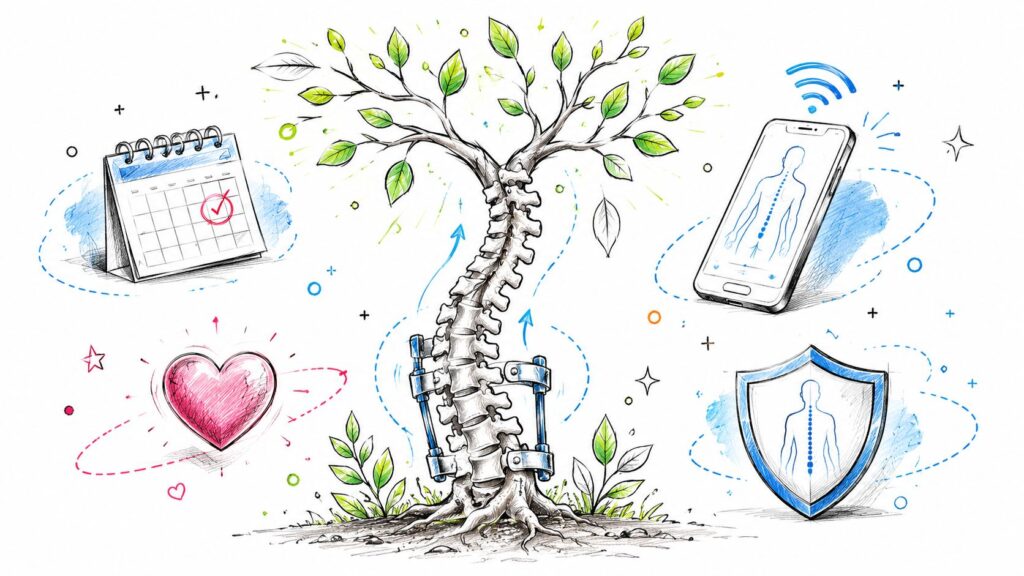
A lot of parents first notice something small. A T-shirt hangs unevenly. One shoulder blade looks a bit more prominent after swimming practice. A child bends forward to pick something up, and the back doesn't look quite symmetrical. That moment can feel unsettling. But it can also be useful. The primary benefit of early scoliosis […]
Scoliosis Progression Monitoring: A Guide to Curve Tracking
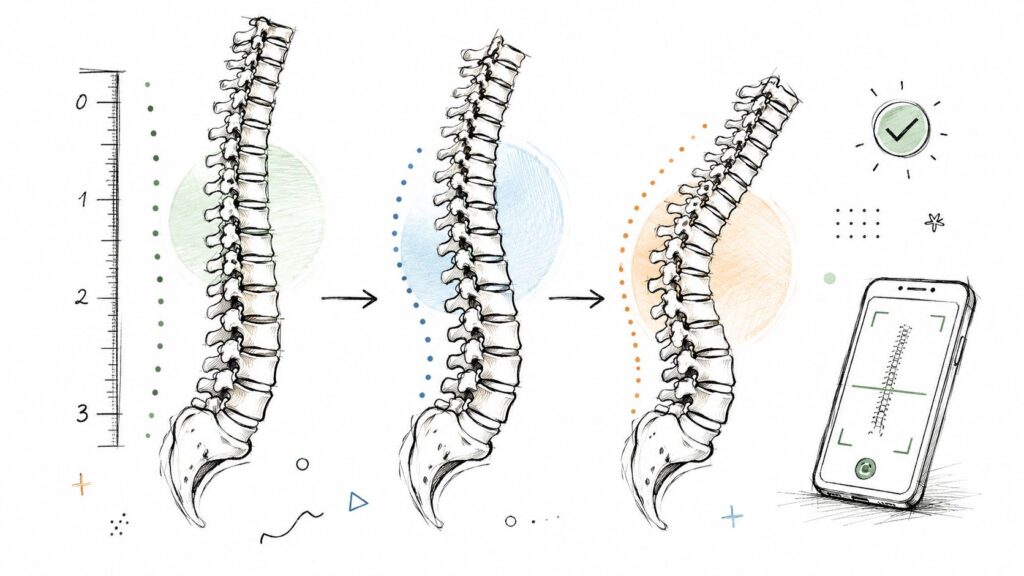
You've just heard the words “your child has scoliosis,” and now the biggest question usually isn't what scoliosis is. It's what happens next. Most families expect a single answer. One scan, one appointment, one treatment plan. In reality, scoliosis progression monitoring is a longer process. It's less like taking one photograph and more like watching […]