
Scoliosis Prevention: An Evidence-Based Guide for You
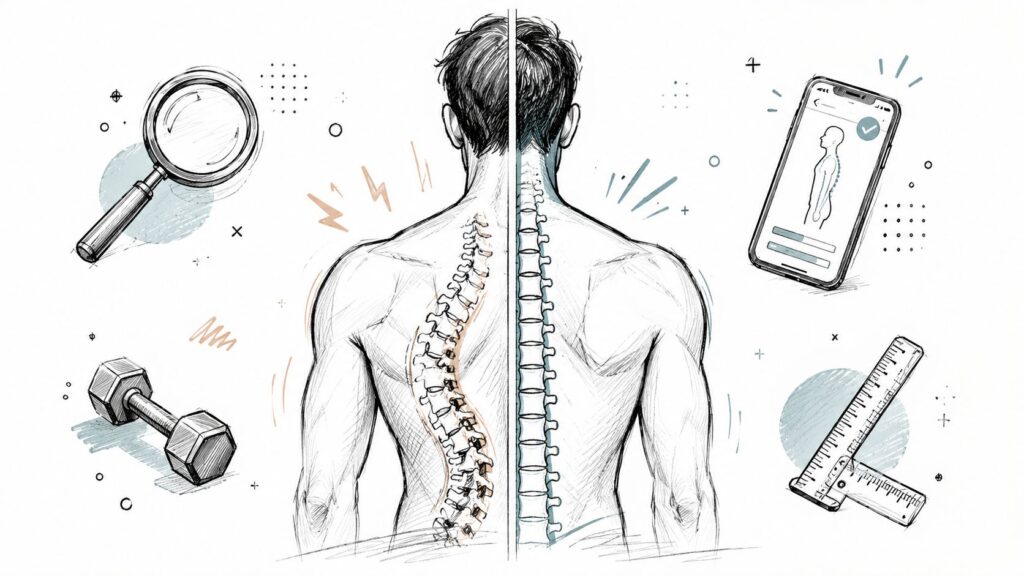
About 3.1% of children and adolescents have scoliosis, according to an international systematic review of population-level data, and it most often shows up or worsens during adolescence when growth is fastest (systematic review on paediatric scoliosis prevalence). For many families, that changes the question from “Could this ever happen to us?” to “If it does, […]
8 Modern Scoliosis Detection Strategies for You
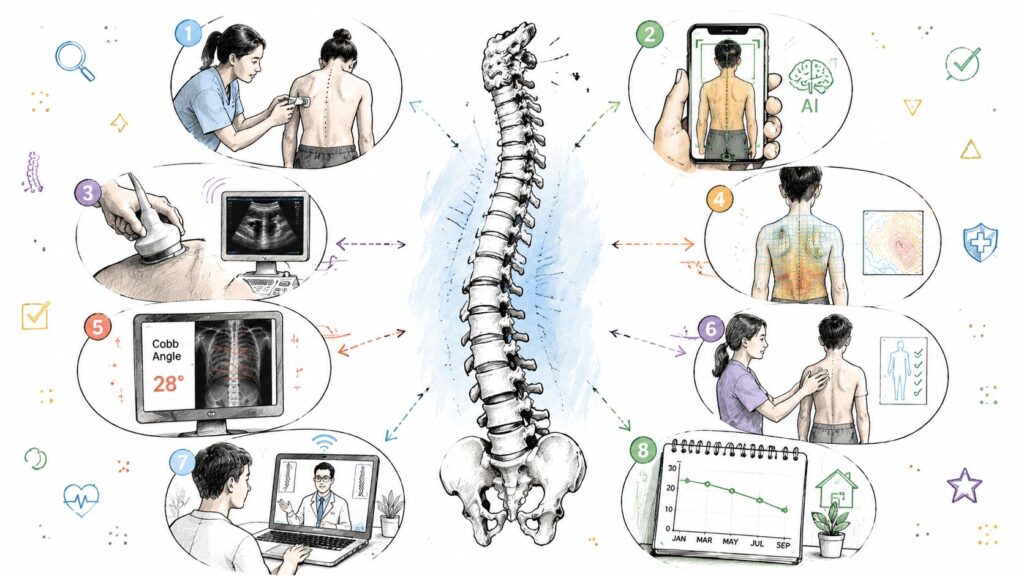
Two realities shape scoliosis detection. Curves often progress during growth, and clinic visits rarely happen at the exact moment that progression starts. That gap is why detection strategy matters. The earlier a meaningful change is spotted, the more practical options a clinician has for monitoring, exercise-based management, bracing referral, or imaging at the right time. […]
Posture Analysis for Scoliosis: Methods, Results & Care
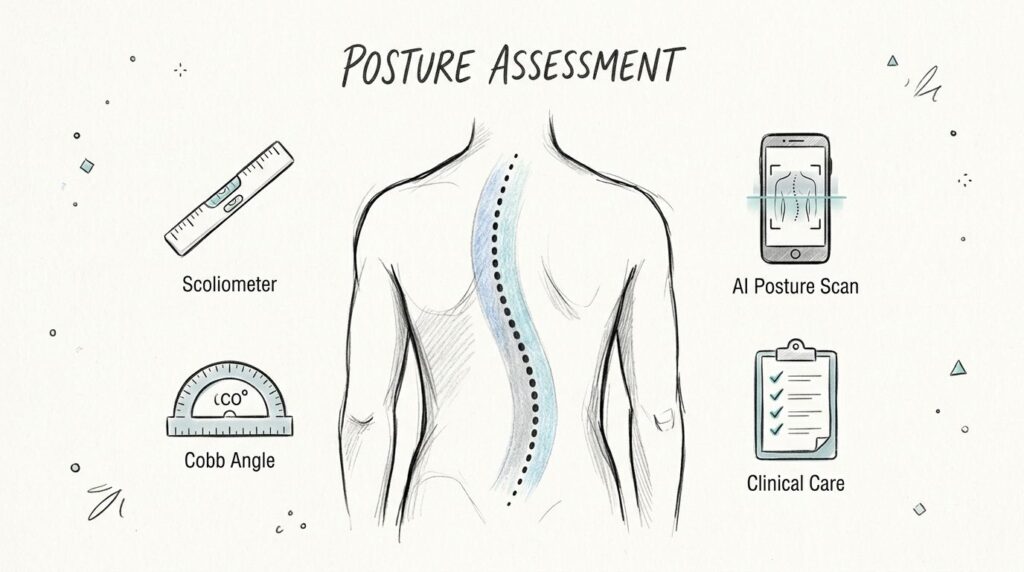
A lot of people arrive at this topic the same way. A parent notices one shoulder sitting a little higher in a school photo. A teen says their backpack always slips off one side. A clinician watches a patient bend forward and sees that the trunk doesn't look symmetrical. Then the same question follows. Is […]
Benefits of Early Scoliosis Detection that Maximise Outcomes

A lot of parents first notice something small. A T-shirt hangs unevenly. One shoulder blade looks a bit more prominent after swimming practice. A child bends forward to pick something up, and the back doesn't look quite symmetrical. That moment can feel unsettling. But it can also be useful. The primary benefit of early scoliosis […]
8 Scoliosis Warning Signs You Shouldn’t Ignore
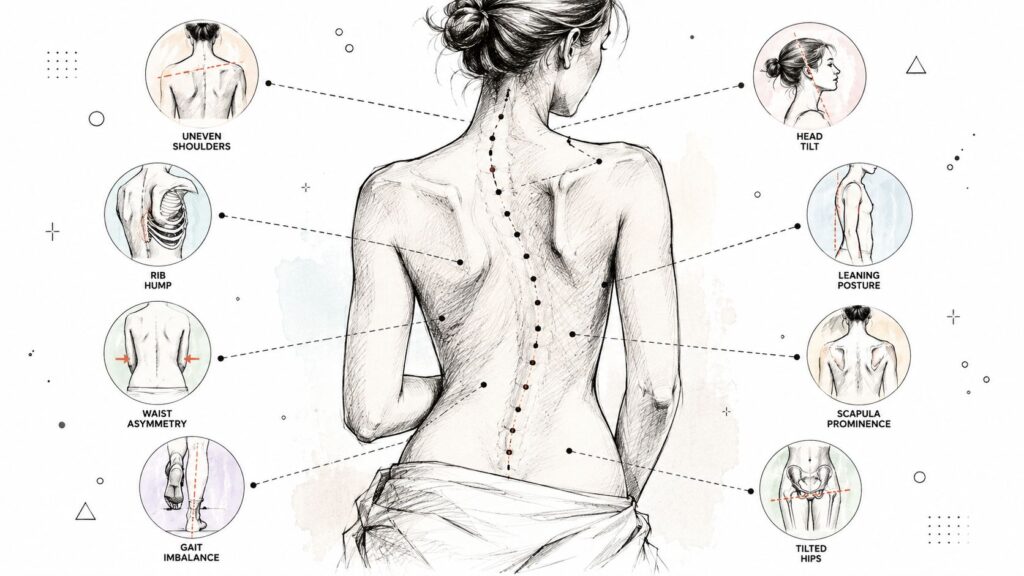
A parent notices it while folding laundry. One sleeve always hangs lower on the same side. A teen sees it in a mirror photo after practice and assumes it is a posture. An adult feels fine overall, but fitted clothes keep sitting unevenly and one side of the back tires sooner than expected. That is […]
Scoliosis Progression Monitoring: A Guide to Curve Tracking
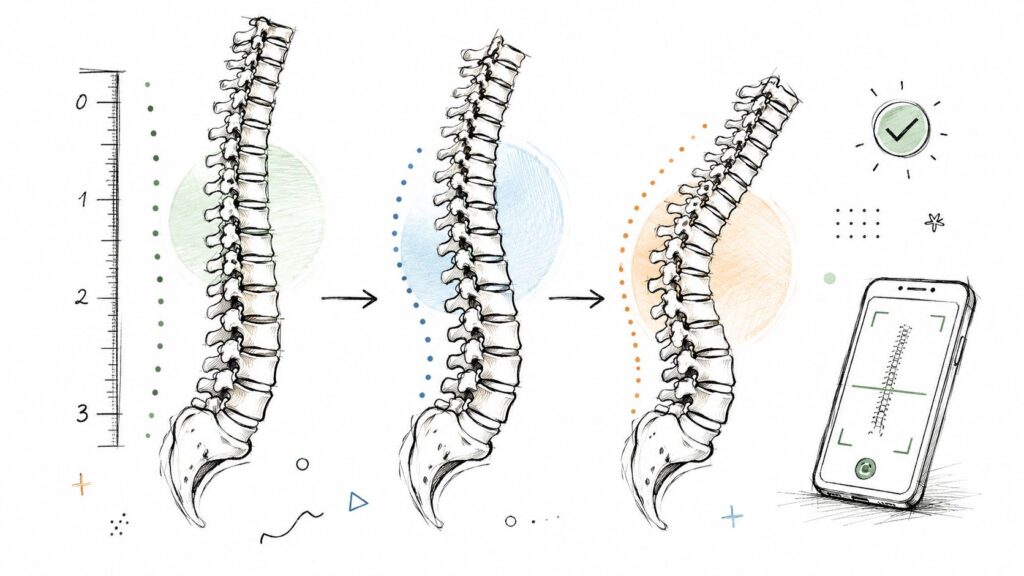
You've just heard the words “your child has scoliosis,” and now the biggest question usually isn't what scoliosis is. It's what happens next. Most families expect a single answer. One scan, one appointment, one treatment plan. In reality, scoliosis progression monitoring is a longer process. It's less like taking one photograph and more like watching […]
Virtual Scoliosis Tracking: The Future of Spine Monitoring
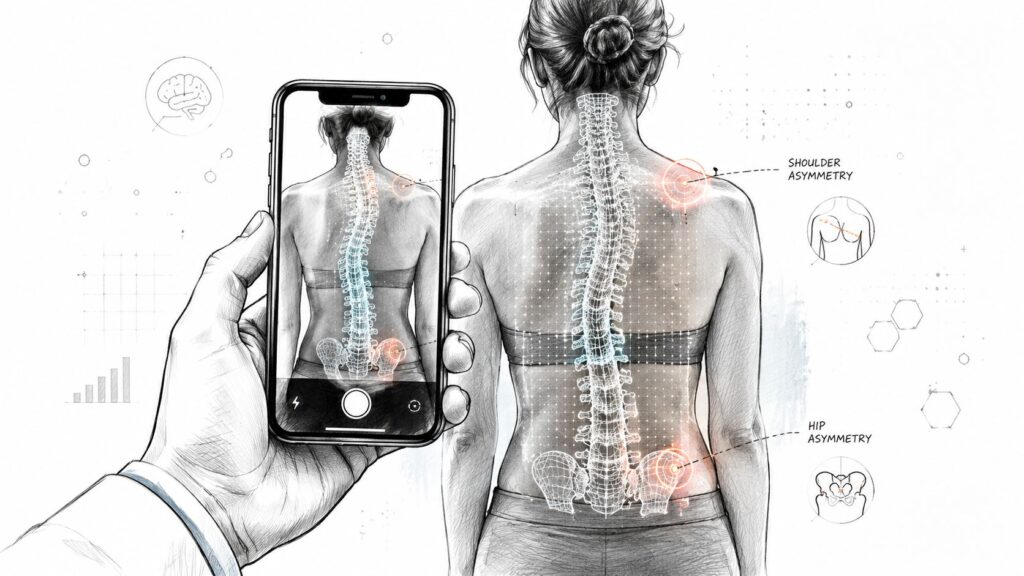
If you're a parent of a child with scoliosis or a clinician following curve progression, you probably know the routine. A visit gets scheduled, life is rearranged around the appointment, and everyone waits to hear whether the curve looks stable or has changed. In between visits, there's often uncertainty. Has posture shifted, or does it […]
How to Do Scoliosis Screening: A Step-by-Step Guide
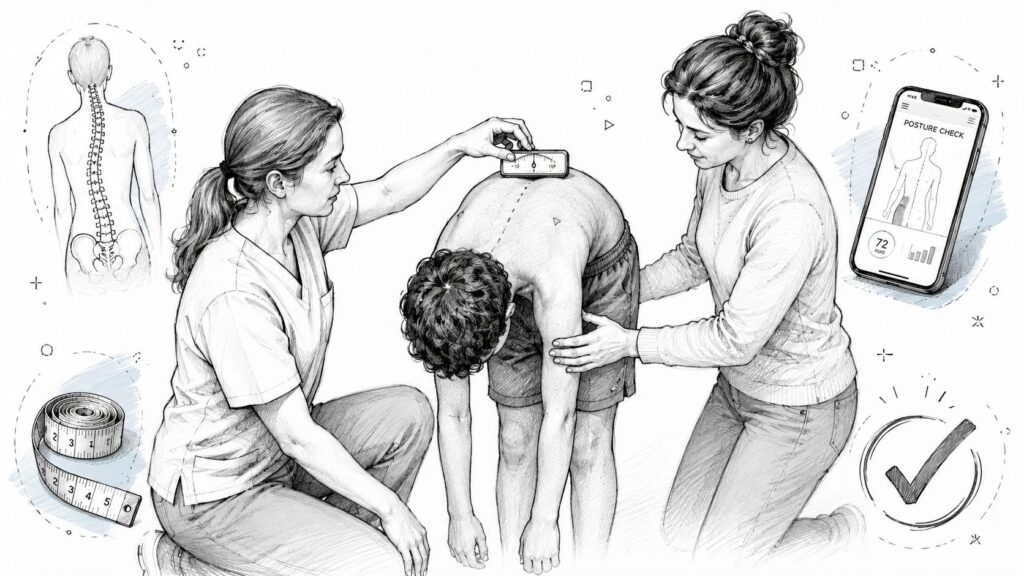
You notice it in a photo first. One shoulder looks a little higher. A shirt twists slightly at the waist. When your child bends to pick something up, one side of the ribs seems more prominent. Most parents don't know whether that's normal variation, posture, or something that needs medical follow-up. That's where scoliosis screening […]
Scoliosis Screening: A Practical Guide for You
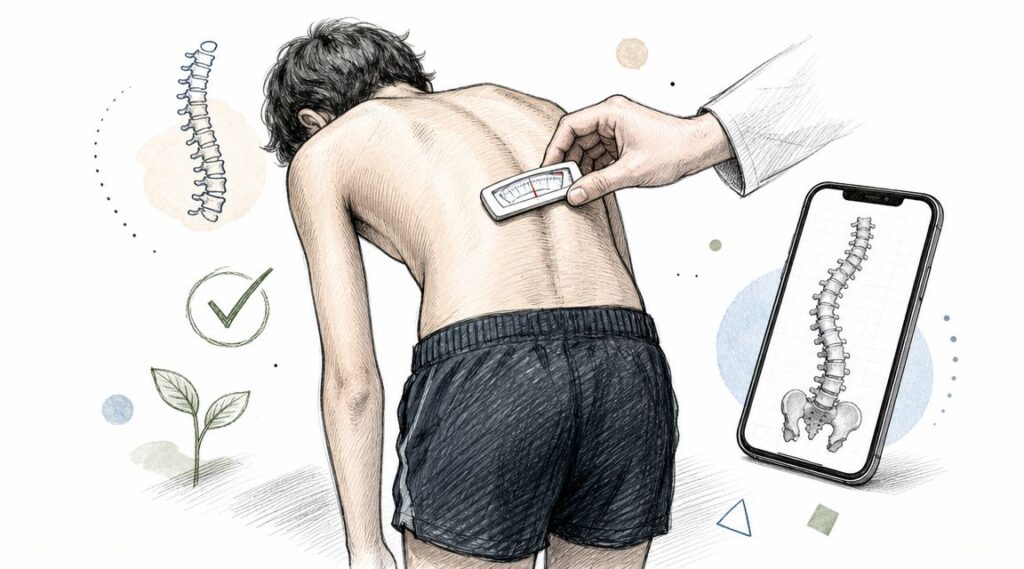
A parent notices that a shirt hangs slightly unevenly. A school nurse sends home a brief note. A swimming coach wonders why one shoulder blade looks a little more prominent during training. None of these moments means a child has a serious spinal problem. But they do start with the same question: what should we […]
Scoliosis in Teens: Expert Guide & Treatment
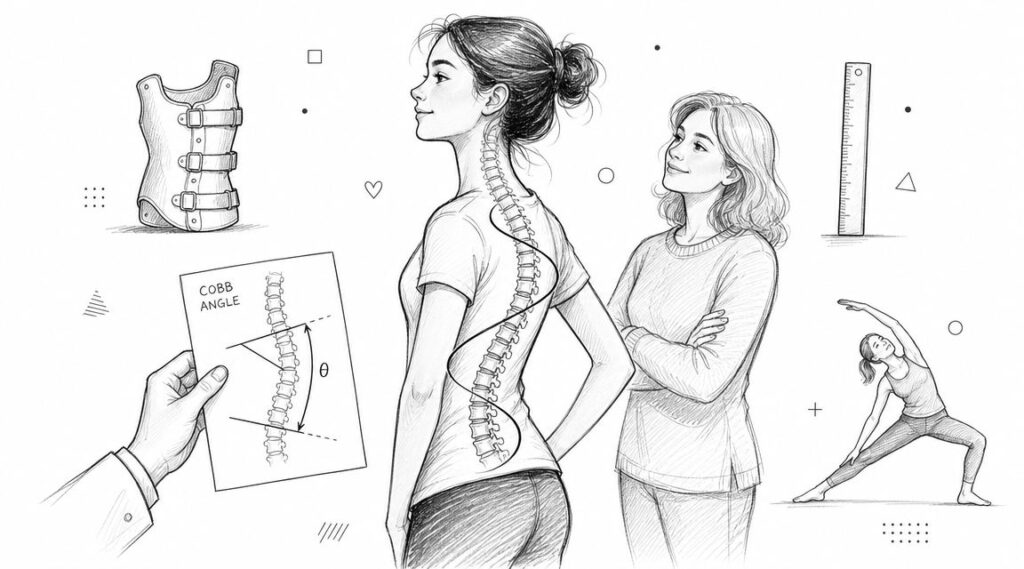
You notice it in an ordinary moment. Your teen walks into the kitchen, drops their school bag, and turns sideways to grab a glass. One shoulder looks a little higher. A shirt that used to hang straight now twists. Maybe a bra strap sits unevenly, or the waistband on trousers never seems level. You wonder […]