
Scoliosis Progression Signs: What to Watch For
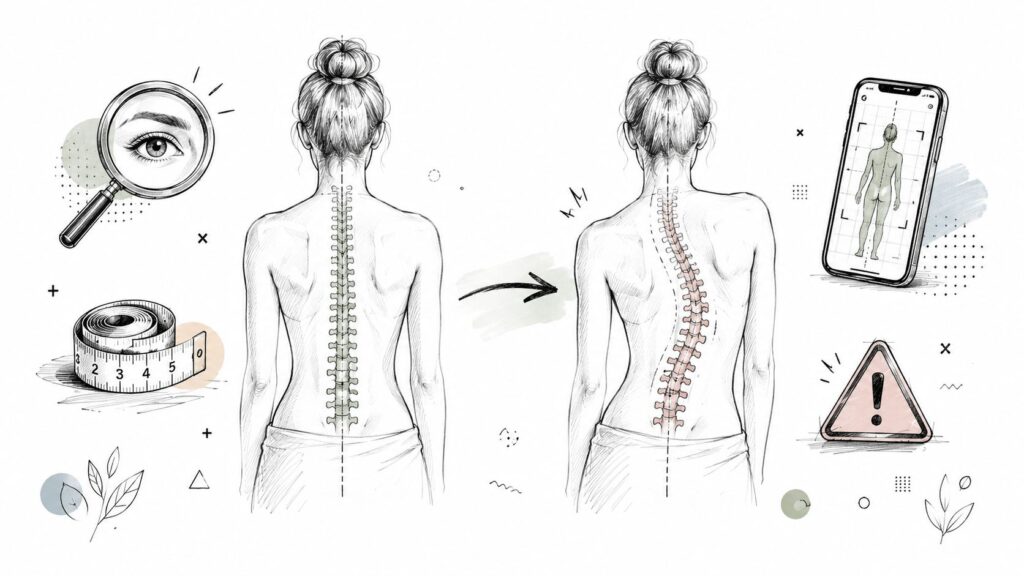
You notice it in a photo first. Your child is standing in a swimsuit, and one shoulder looks slightly higher. Or maybe you're an adult who's lived with scoliosis for years, and your back has started aching in a new, stubborn way that doesn't feel like ordinary stiffness. That's where worry usually begins. Not with […]
Scoliosis Detection Technology: A Modern Clinical Guide
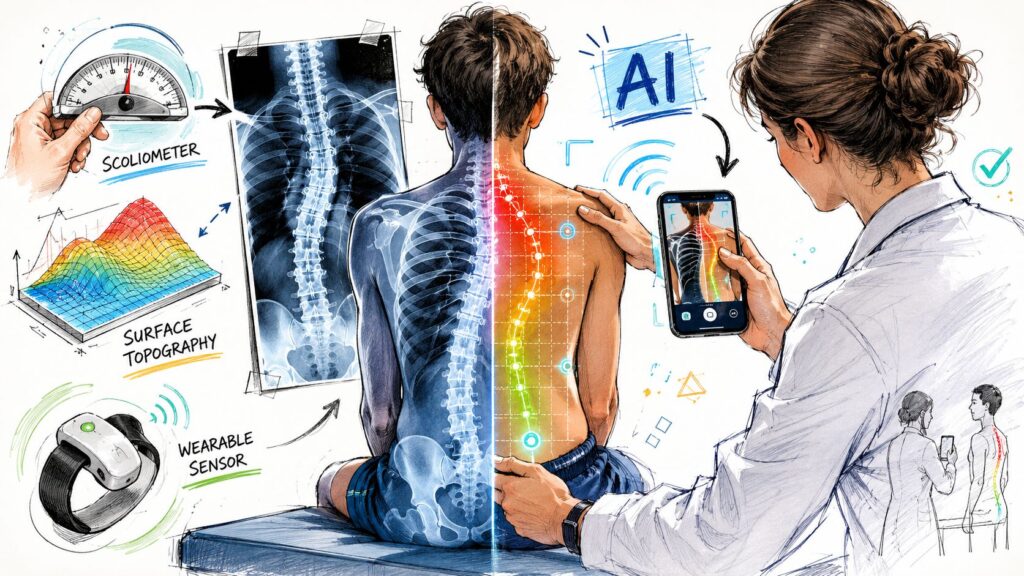
California still mandates school scoliosis screening, yet screening programmes have declined across North America while Adolescent Idiopathic Scoliosis incidence ranged from 118.3 to 147.6 per 100,000 persons in recent reporting, according to the California Department of Education scoliosis screening guidance. That combination changes the conversation. Scoliosis detection technology is no longer just about replacing an […]
Scoliosis Age Groups: A Guide for Patients & Clinicians
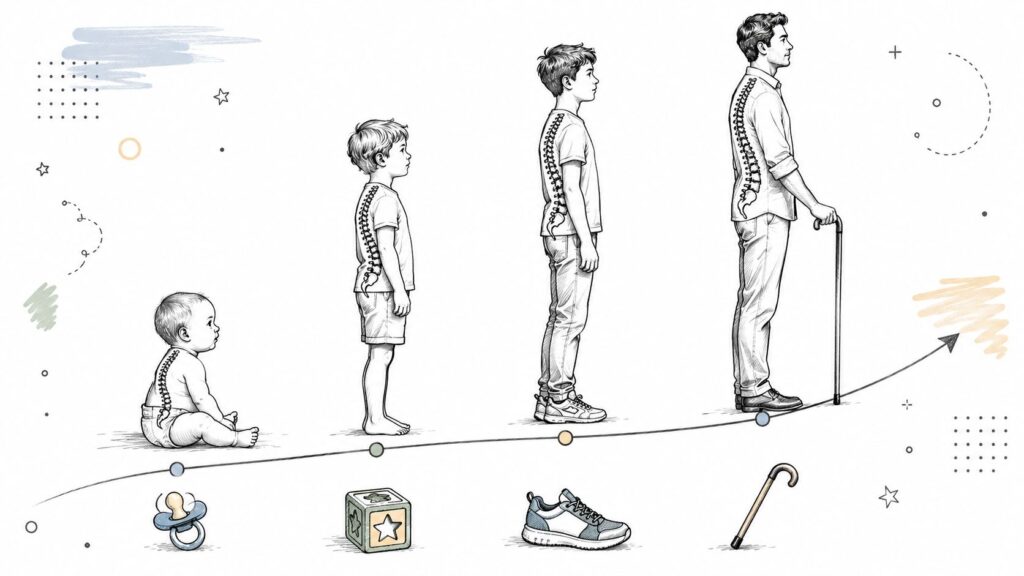
A parent notices one shoulder sitting slightly higher when their child changes for swimming lessons. An adult realises that every long walk ends with the same one-sided ache near the waist. A family doctor does a quick forward bend check during a routine visit and pauses for a second look. These are common starting points. […]
Spinal Alignment Issues: A Guide to Symptoms & Treatments
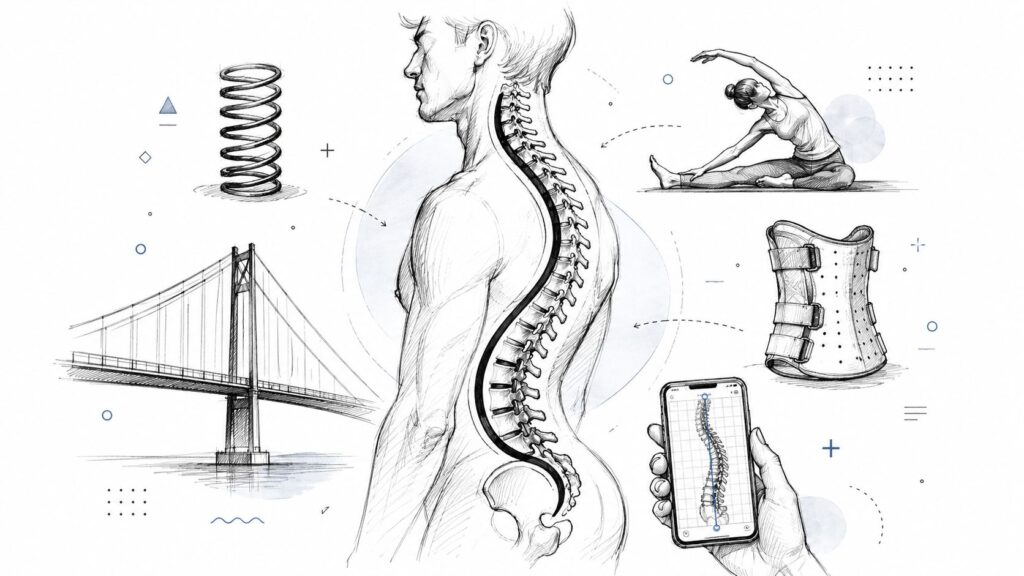
You catch a glimpse of yourself in a photo, and something looks off. One shoulder seems higher. Your head sits a little forward. Maybe your back feels stiff later in the day, but you've told yourself it's just stress, age, or too much time at a desk. That's often how spinal alignment issues first enter […]
Posture Analysis for Scoliosis: AI & Modern Methods
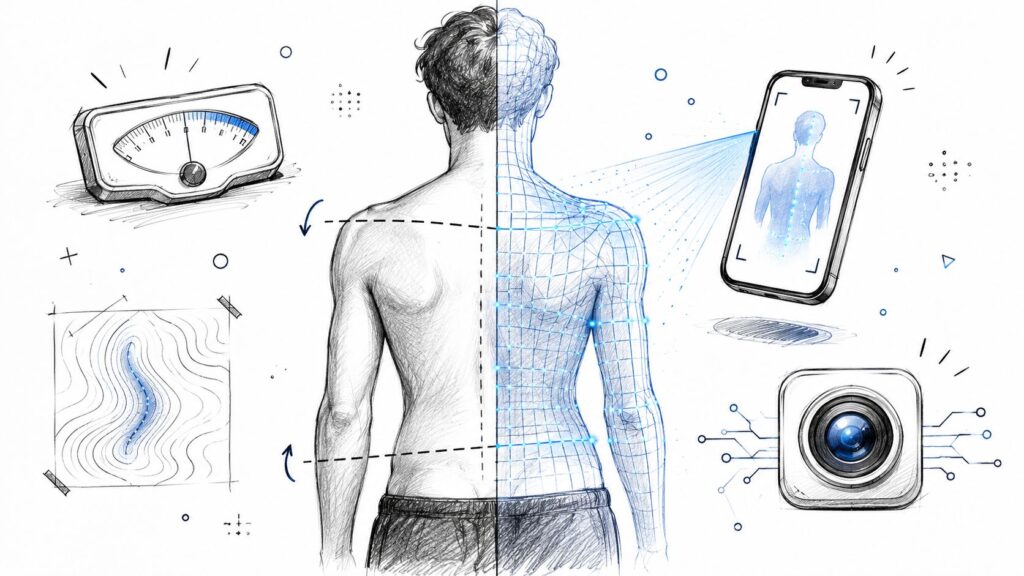
You're probably here for one of two reasons. A parent has noticed that one shoulder looks higher, a shirt hangs unevenly, or a school screening raised a concern. Or you're a clinician trying to make sense of where surface scanning, smartphone tools, and AI fit alongside the plain old X-ray. Both groups usually ask the […]
Scoliosis or Bad Posture: Key Differences & AI Tools
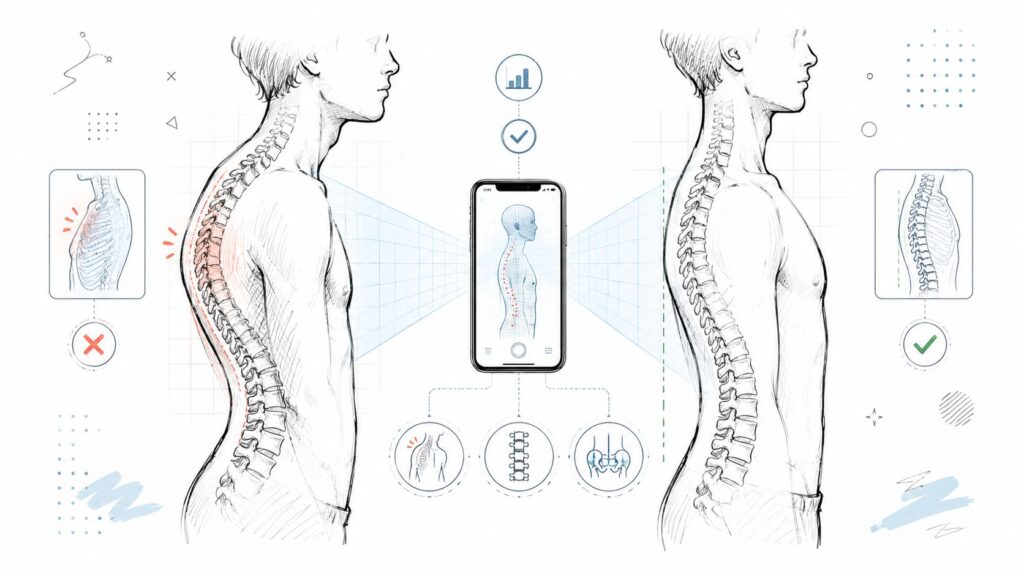
You notice it in a changing-room mirror, a school photo, or when your child bends to tie a shoe. One shoulder looks higher. The shirt hangs unevenly. A “slouch” that once seemed like a habit suddenly feels loaded with bigger questions. For most families, the first worry isn't technical. It's immediate. Is this scoliosis or […]
Spinal Alignment Issues: A Guide to Diagnosis and Care
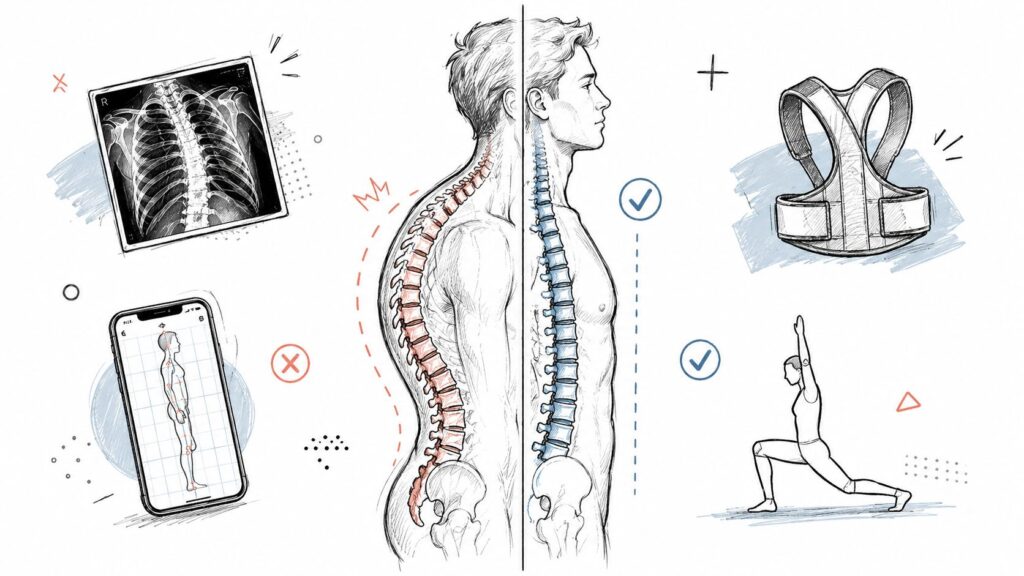
You might be reading this because your back has been nagging you for months, or because you noticed something small that won't leave your mind. One shoulder looks higher in photos. Your posture collapses by mid-afternoon at your desk. A parent has mentioned that your teenager seems to lean to one side. Or you feel […]
Scoliosis Assessment Technology: Clinician & Patient Guide
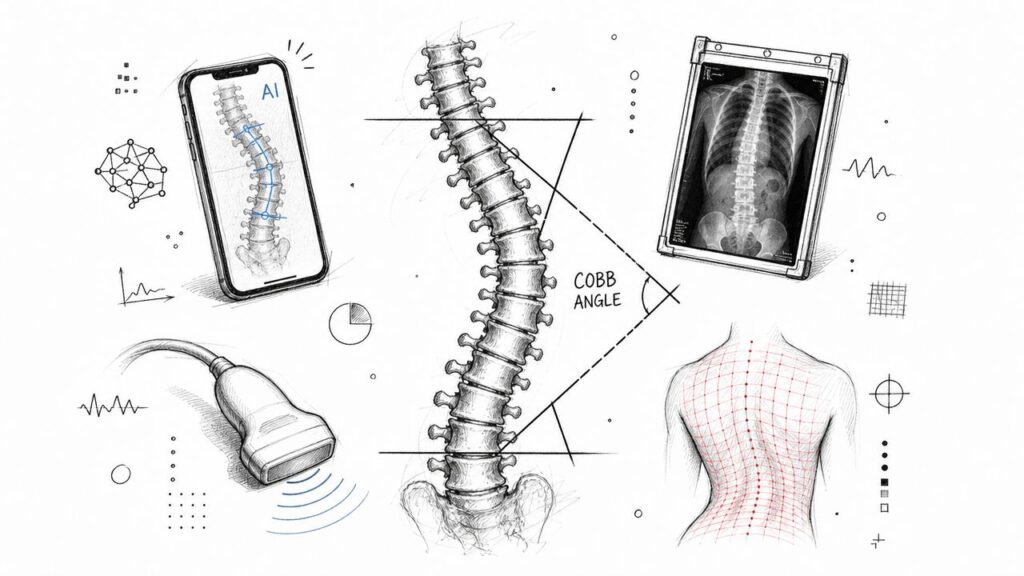
If you're reading this, you may be in one of two familiar situations. A parent is waiting for the next clinic visit and wondering whether a curve has changed. Or a clinician is looking at a follow-up schedule full of repeat checks and asking a practical question: do all of these children need another X-ray […]
Scoliosis Prevention Exercises That Actually Work
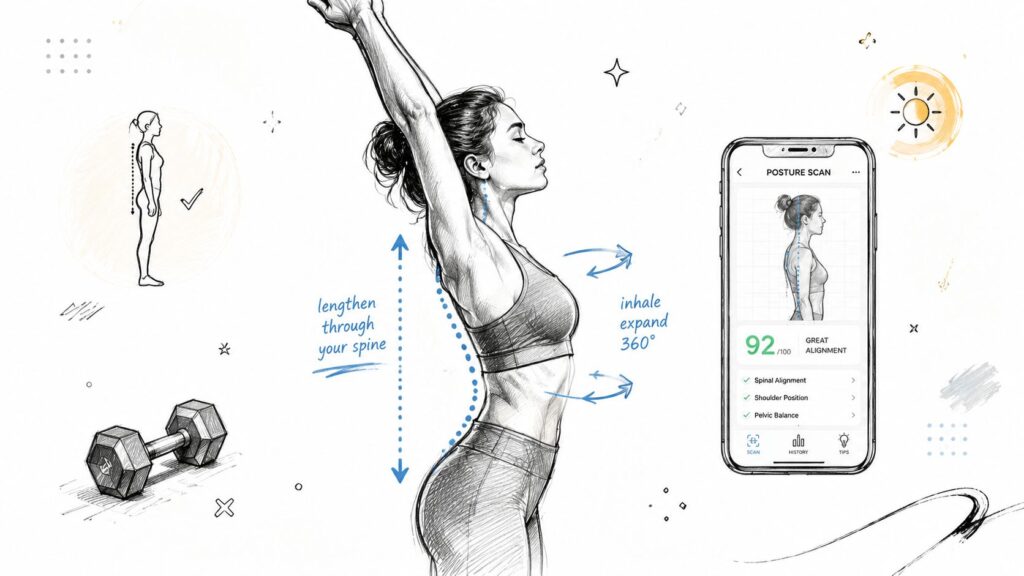
The most popular advice on scoliosis prevention exercises is also the most misleading. It tells parents and adults that if they just do the right stretches early enough, they can prevent idiopathic scoliosis from happening or make an established curve disappear. That isn't how this condition works. For many individuals, particularly adults with an existing […]
Remote Scoliosis Screening: Complete Protocol for Clinicians
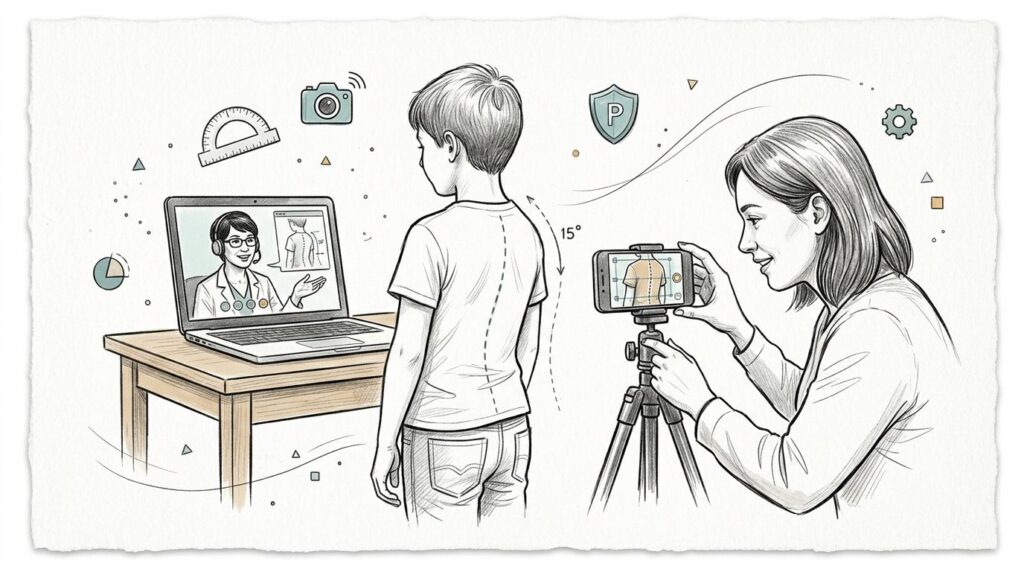
A parent notices that one shoulder sits slightly higher in a school photo. A physiotherapist in a rural clinic sees a teenager once, then struggles to get them back for review because travel is difficult. A spine specialist receives a referral that's late, incomplete, and based on a vague note about “poor posture”. Those are […]