
Posture Analysis for Scoliosis: Early Detection Methods
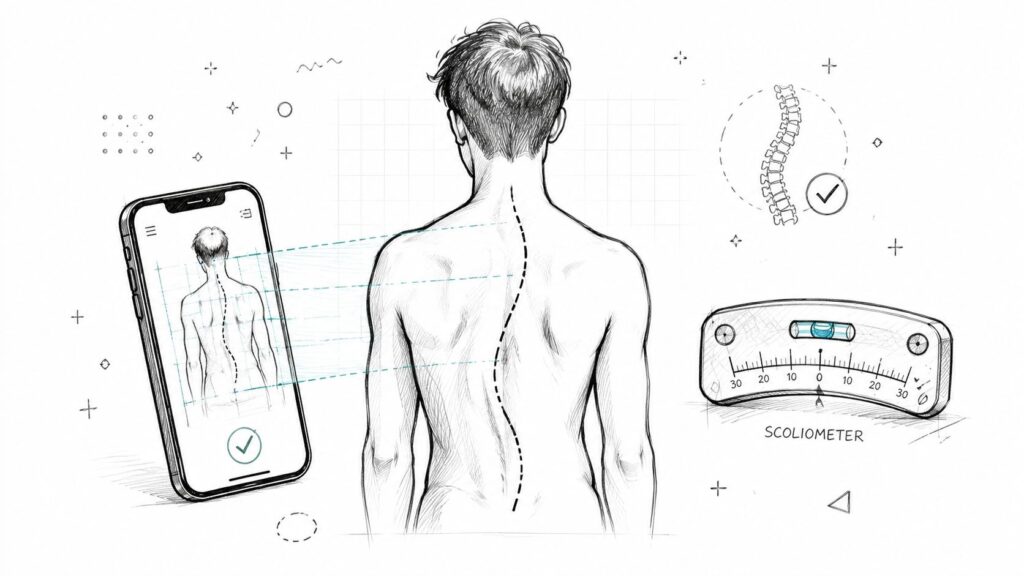
If you're staring at a child's photo and thinking, “One shoulder looks higher than the other,” you're not overreacting. That small asymmetry is often the moment people start looking for answers, and posture analysis for scoliosis gives them a structured way to look, measure, and decide what needs follow-up. Used well, it helps separate everyday […]
The Rise of Digital Scoliosis Screening Tools
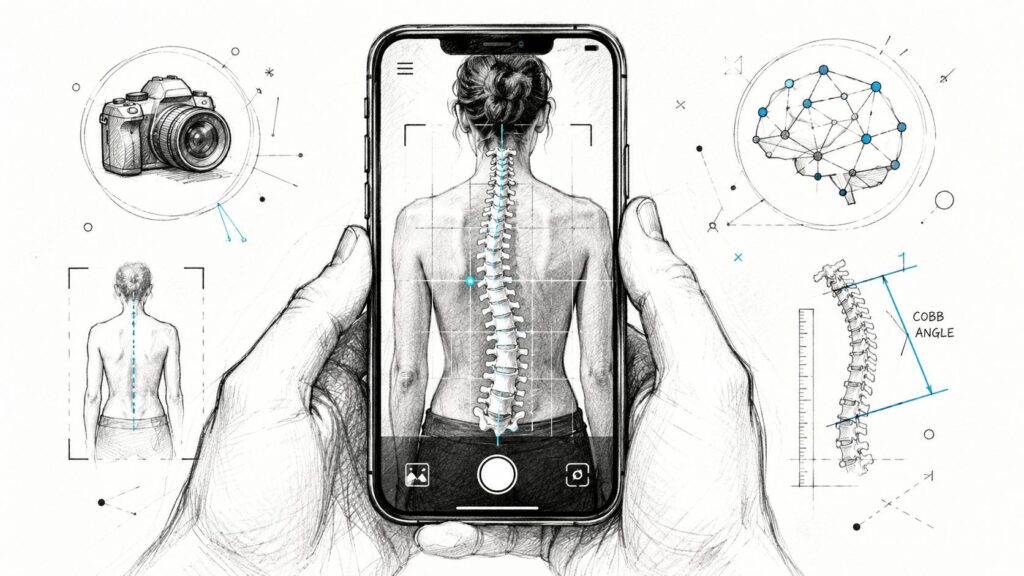
You've probably seen the first hint in a school photo, a sports day snapshot, or a quick glance in the bathroom mirror. One shoulder looks higher, the waistline seems uneven, and now you're trying to work out whether this is just posture or something that needs a proper check. That is exactly where digital scoliosis […]
Scoliosis Physiotherapy: Can Exercise Slow Progression?
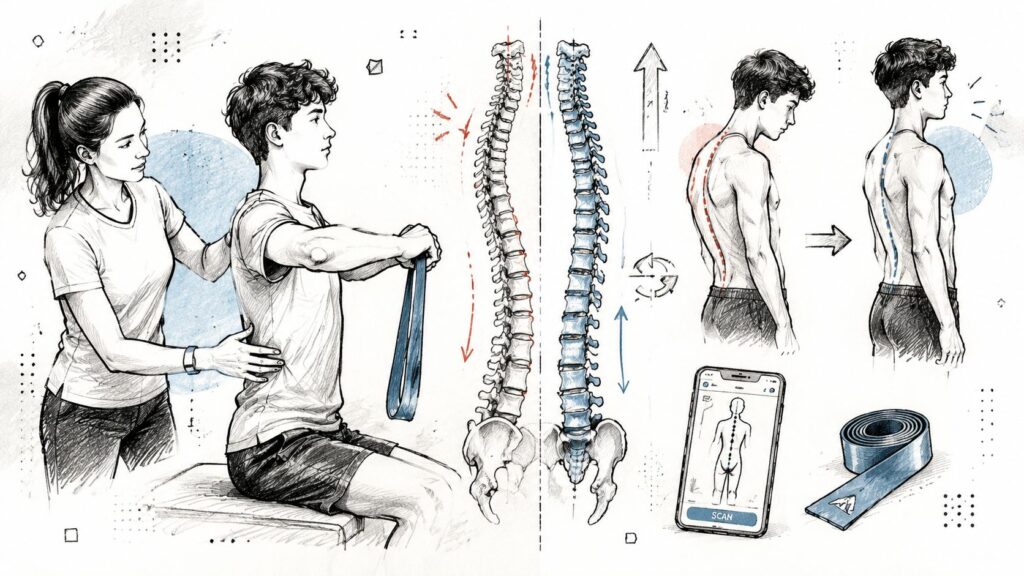
Can exercise slow scoliosis progression, or does it only make people feel better while the curve keeps changing? That's the question many families ask after a school screening, an X-ray, or a first clinic visit. The honest answer is more nuanced than a simple yes or no, and that's where scoliosis physiotherapy becomes useful, because […]
Scoliosis Screening Software: A Clinician’s Guide to AI
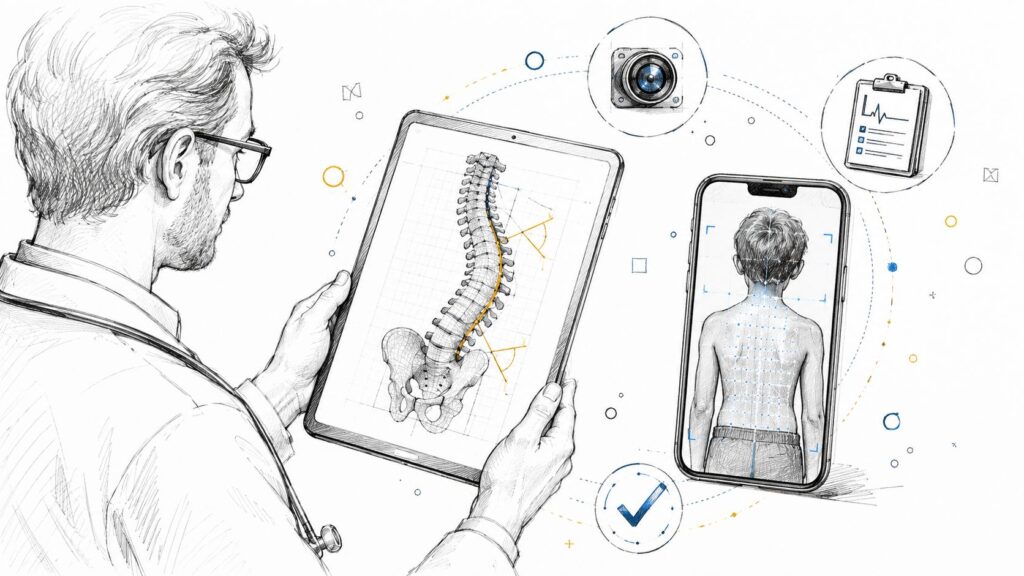
A school nurse sends you a note after lunch. A 13-year-old has a subtle shoulder difference; the family wants answers fast, and you're deciding whether to reassure, monitor, or refer before the next clinic slot opens. Scoliosis screening software is built for that exact moment, not as a replacement for your exam, but as a […]
Cobb Angle Scoliosis Severity: A Clinician’s Guide
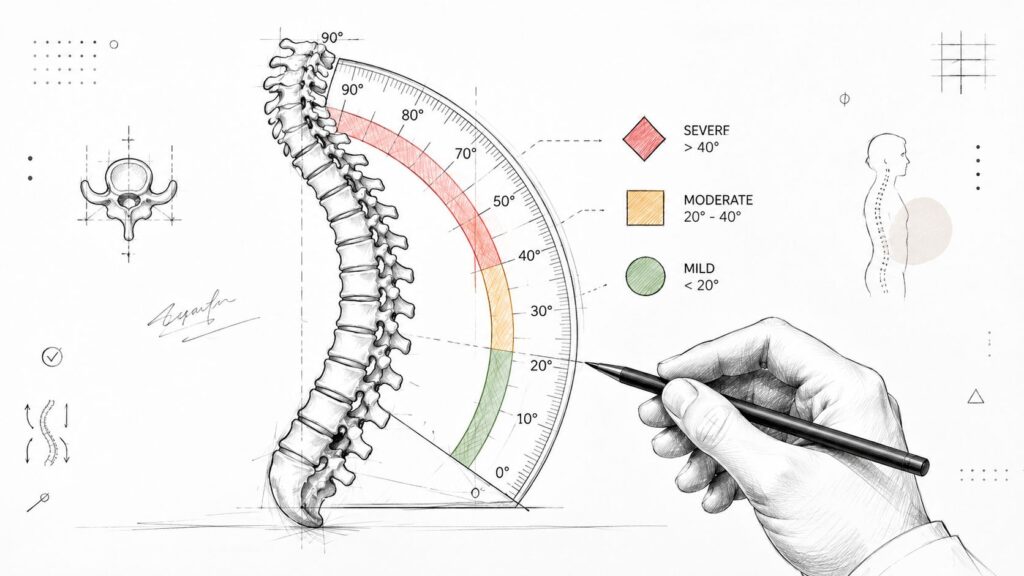
You've got the X-ray report in your hand, or maybe a clinician has just said a number that sounded oddly precise. 18 degrees. 27 degrees. 43 degrees. The figure feels like a verdict, but it's really a decision point, and that difference matters when you're trying to understand what happens next for you or your […]
Severe Scoliosis Cobb Angle: Thresholds, Risks, and Care
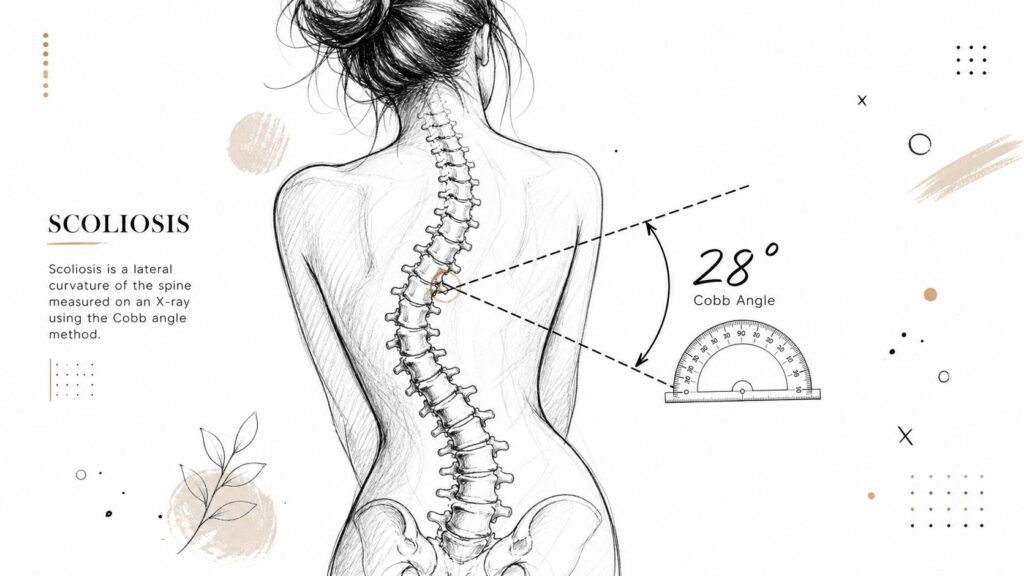
Your scan says 45 degrees, and the word severe lands before you've had time to ask what it means. For a parent, that number can sound like a straight path to surgery. For an adult patient, it can feel like a verdict on pain, posture, and the future. The problem is that a severe scoliosis […]
Adolescent Scoliosis: Guide to Diagnosis & Treatment
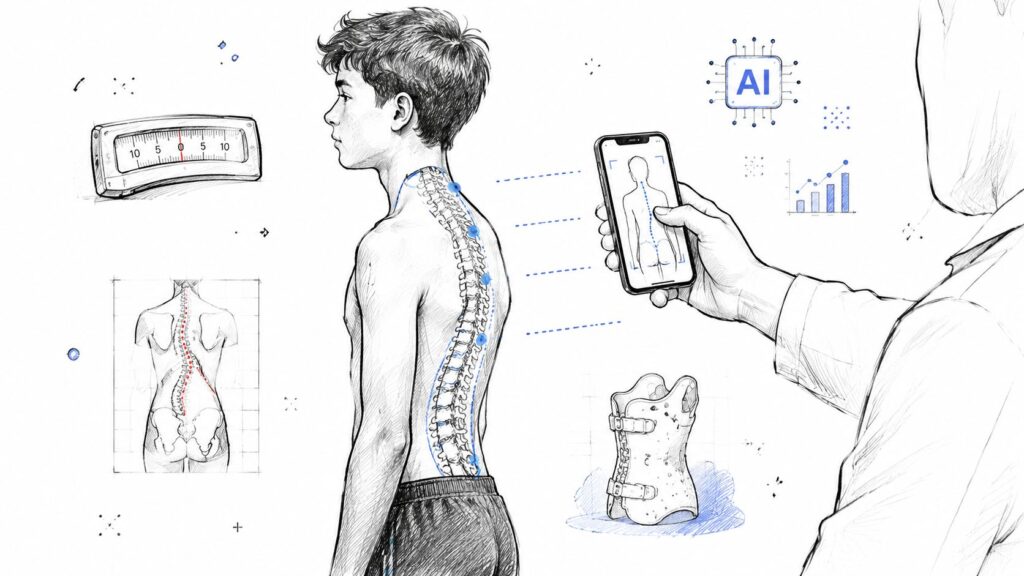
A parent notices one shoulder looks a little higher in a school photo. A coach says the back seems uneven when the teen bends forward. In clinic, the child feels fine, which makes everyone wonder whether this is a harmless posture habit or the start of something that could grow quietly through the next stretch […]
A Guide to The Best Methods for Natural Scoliosis Prevention
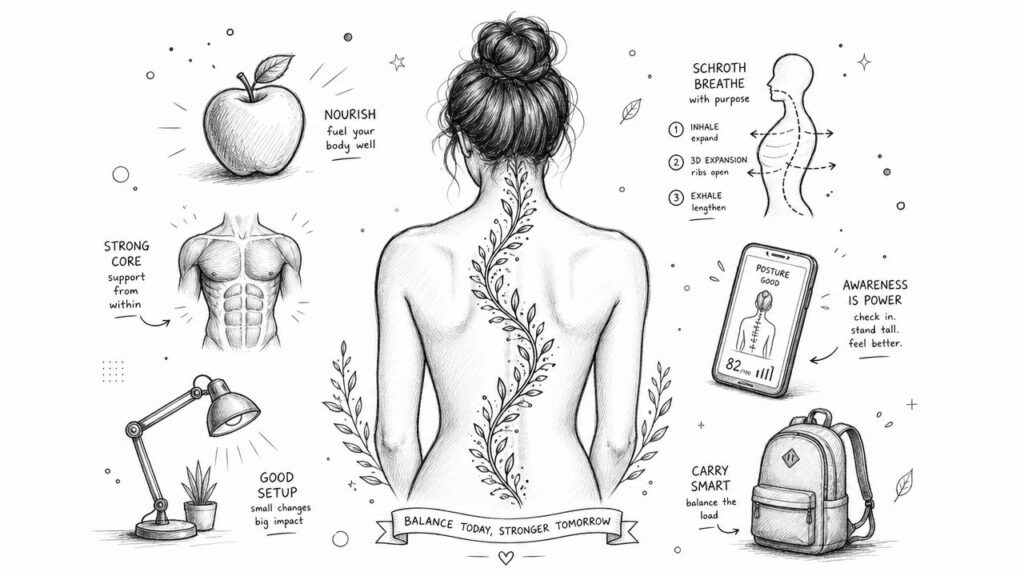
A lot of popular advice about natural scoliosis prevention starts in the wrong place. It tells families to fix posture, buy a better chair, strengthen the core, or avoid slouching, as if those habits can stop scoliosis from starting. That sounds reassuring. It just isn't the full truth. If we're talking about Adolescent Idiopathic Scoliosis, […]
Scoliosis Prevention: A Guide to Early Detection
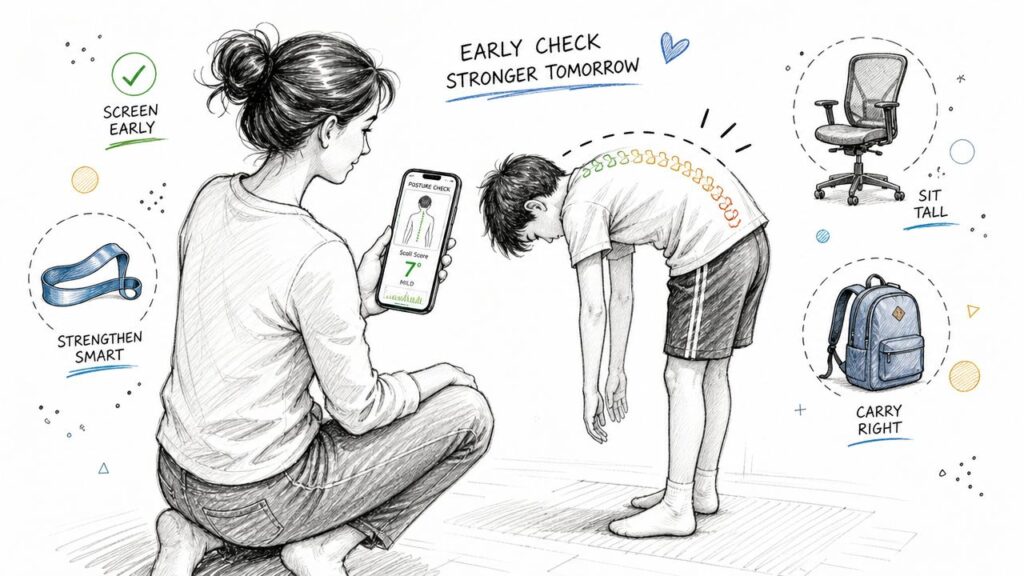
Most advice about scoliosis prevention starts in the wrong place. It tells parents to chase posture perfection, buy supplements, or hope that exercise alone will stop scoliosis from appearing. That isn't how idiopathic scoliosis works. A more honest and more useful approach starts with this fact: between 2% and 3% of California's population lives with […]
Uneven Shoulders Scoliosis: Causes, Diagnosis, & Treatment
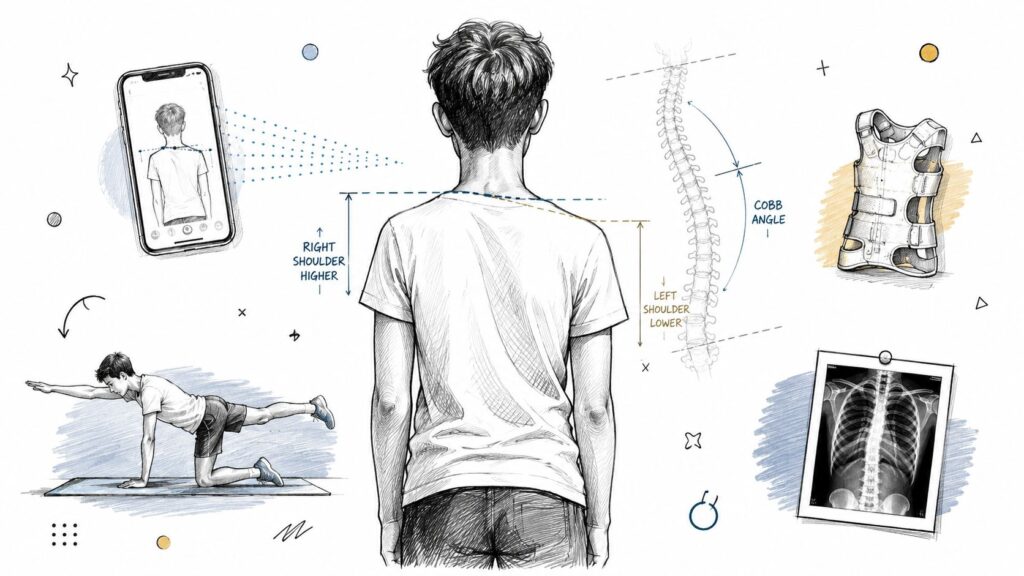
You're often not looking for scoliosis when you first notice it. It might be a school photo where one shoulder looks higher. It might be a vest that always hangs oddly. It might be a parent saying, “Stand up straight,” and the teen replying, “I am.” That moment can be unsettling because shoulder unevenness is […]